Lineage or Legacy
Play Lineage or Legacy
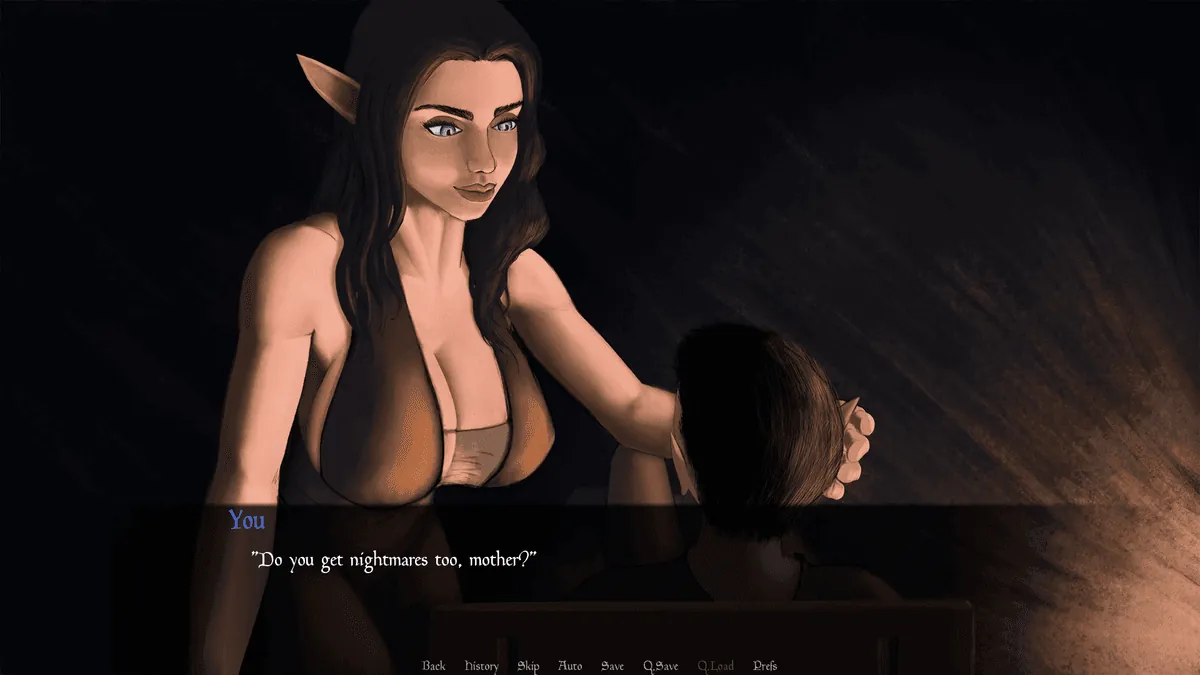
Lineage or Legacy Screenshots















Lineage or Legacy review
Master the narrative-driven visual novel with our in-depth walkthrough of character interactions, decision-making systems, and story outcomes
Lineage or Legacy stands out as a sophisticated visual novel that places you at the center of a compelling narrative where every decision genuinely matters. Unlike traditional games where choices feel superficial, this title weaves your selections into the fabric of the story itself. You’ll play as a young man from a wealthy family who rebels against his father’s expectations and enrolls in an elite university to forge his own path. The game’s strength lies in its refusal to offer simple moral choices—instead, you’ll navigate complex, morally gray decisions that ripple through every chapter. Whether you’re drawn to the intricate character relationships, the branching narrative paths, or the challenge of building meaningful connections, understanding how the game’s systems work will transform your playthrough from casual entertainment into a deeply personal experience.
Understanding the Core Gameplay Mechanics and Decision System
Ever feel like you’re not just playing a game, but actually living another life? That’s the magic of Lineage or Legacy. This isn’t a story you watch; it’s one you build, brick by emotional brick, with every choice you make. The heart of the experience lies in its deep, reactive systems. Forget simple “good vs. evil” dials. Here, your decisions are nuanced, your character grows in tangible ways, and every relationship is a delicate, evolving dance. This guide will break down the core Lineage or Legacy gameplay mechanics, giving you the map to navigate its rich, branching world. 🗺️✨
How Player Choices Shape Your Story in Lineage or Legacy
The visual novel decision system in Lineage or Legacy is a masterpiece of cause and effect. Early on, you’re presented with what seems like a simple narrative hook—perhaps discovering a mysterious letter hinting at a political assassination in your family’s past. This isn’t just flavor text; it’s the first major fork in your road. Do you investigate aggressively, potentially alienating a cautious family member? Or do you keep the secret, building trust with them but possibly letting a threat grow?
I learned this the hard way. In one playthrough, I chose to confront a character about a lie during a public gala. It felt right for my bold, justice-seeking protagonist. The immediate consequence was a fiery, dramatic scene… but the real impact came chapters later. That character’s ally, who I hadn’t even considered, blocked my access to a crucial business deal, completely altering my career path narrative. The game remembers everything. 💥
Choices rarely lock you into a single path instantly. Instead, they adjust character attitudes, open or close future dialogue options, and set invisible flags that pay off hours later. This creates branching narrative paths that feel organic, not like you’re picking from a menu labeled “Story A” or “Story B.” You’re weaving a unique tapestry, and sometimes you don’t see the full pattern until much later.
To illustrate how deep this goes, here’s a look at some pivotal moments and their ripple effects:
| Decision Point | Available Options | Key Consequences |
|---|---|---|
| The Midnight Rooftop Confession | Comfort them; Offer pragmatic advice; Leave them to their thoughts | Choosing “Comfort” can unlock a deeper romantic route. “Pragmatic advice” may increase Respect but decrease Closeness. Leaving can solidify a loner path for your protagonist. |
| The Corporate Whistleblower Moment | Expose the fraud immediately; Gather more evidence secretly; Confront the perpetrator privately | Immediate exposure boosts Boldness but risks your job and some allies’ trust. Gathering evidence secretly is safer but may allow the fraud to continue. A private confrontation tests your Persuasion attribute. |
| Family Heirloom Dispute | Side with your sentimental sibling; Side with your pragmatic cousin; Propose selling and splitting the profits | This choice heavily influences which family branch supports you later. It can permanently alter available resources and even change which “legacy” subplot becomes most prominent. |
The Attribute System and Character Relationship Dynamics
This is where Lineage or Legacy truly shines. Your protagonist isn’t a blank slate; they are defined by a growing set of core attributes. Think of these as your personality stats, quietly ticking up based on your consistent behavior. Major attributes include Boldness, Empathy, Cunning, Diplomacy, and Integrity. These aren’t just for show—they are the gatekeepers to the game’s content.
Let’s talk about how to unlock relationships Lineage or Legacy. It’s not just about saying the nice thing. Characters are drawn to specific traits. A character who values honesty and courage might only reveal their tragic backstory if your Integrity and Boldness are above a certain threshold. Another, more strategic character, might only consider a partnership if your Cunning is high enough to impress them. This attribute system visual novel approach means that building a relationship is about authentically becoming the kind of person they would connect with. 🧠❤️
Now, for the really juicy part: managing multiple connections. Lineage or Legacy allows you to explore connections with up to six potential love interests… but calling it a “harem” game is a serious mistake. This game simulates real, messy human dynamics. Each character has their own preferences and boundaries regarding romance.
- Some characters are strictly monogamous. Expressing serious interest in them will, if they find out, permanently damage or even close off their route.
- Others are open to polyamorous or non-traditional relationships, but even they have rules. One character might be fine with you also seeing their easy-going best friend, but would be furious if you pursued their rival.
- A few have specific “compatibility” with each other. You might discover that pursuing two characters simultaneously actually leads to a unique, happy triad storyline, because those two characters also develop feelings for each other!
The key is paying attention. The game communicates these boundaries through dialogue, jealousy scenes, and private conversations you might overhear. Locking in a relationship (often through a definitive, romantic choice) will shift the story’s focus and change how other characters interact with you. It makes every character relationship choice feel weighty and real.
Navigating Multiple Endings and Save File Strategy
With such a complex web of choices and traits, you’re destined for one of many multiple endings visual novel fans love to discover. Your ending is determined by a combination of your key story decisions, your dominant personality attributes, and the state of your core relationships by the story’s climax (currently in Chapter 4 Act II as of 2025, with more narrative on the way!).
Pro Tip: Your save file is your best friend. Save often, and save in new slots at major decision points. I recommend a “branching” strategy: keep one main “pure” playthrough that reflects your genuine choices, and use copied saves to explore dramatic alternatives.
For example, let’s walk through a critical early-game decision to see how the branches spread. Shortly after the prologue, you’re invited to a high-stakes charity auction by a powerful business contact, Marcus. The same night, your reclusive artist friend, Leo, finally opens up and asks for your help preparing for their first gallery show.
- Choice A: Attend Marcus’s Auction. This path immediately boosts your social standing and Diplomacy. You network with influential figures, unlocking future business opportunities and impressing characters who value ambition. However, you stand up Leo. This significantly damages your relationship with them. They may become distant, and a unique storyline about the art world and their personal growth could be locked off. You might later hear about their successful show through someone else, a moment filled with regret.
- Choice B: Help Leo Prepare. This choice boosts Empathy and strengthens your bond with Leo dramatically. You unlock intimate scenes about their creative process and fears, potentially starting a deep romantic or friendship path. The trade-off? Marcus is offended by your last-minute decline. This may close off his mentorship route initially, make certain corporate challenges harder, and paint you as “unreliable” to that social circle.
But here’s where it gets deeper! Within Choice B, how you help Leo also matters. Do you give gentle encouragement or brutally honest critique? Your approach will further shape your attribute growth and even affect the style of art Leo presents, which could be a small plot point later. This is the essence of branching narrative paths—a single decision doesn’t just lead to two roads, but to entirely different landscapes. 🌳➡️🌄
Your strategy for endings should be holistic. Ask yourself:
* What legacy do I want to leave? A business empire, a reconciled family, an artistic revolution?
* Who do I want by my side? A loyal partner, a network of allies, or perhaps a found family?
* What defines my protagonist? Is their highest trait Boldness earned through confrontation, or Diplomacy earned through careful negotiation?
There is no “perfect” ending, only your ending. The game’s current development state means new branching narrative paths are still being written, making replayability incredibly high. Each playthrough is a new experiment in character and consequence.
Mastering Lineage or Legacy is about embracing this complexity. Understand that the visual novel decision system is tracking your moral compass, your personality, and your social web all at once. Use the attribute system visual novel framework to build a protagonist that feels real. Make your character relationship choices with care, knowing they are bound by authentic rules. By doing so, you’ll stop simply playing a game and start crafting a legacy that is uniquely, powerfully yours. 🏆 The story is waiting for your touch.
Lineage or Legacy distinguishes itself as a visual novel that respects player intelligence and agency. The game’s commitment to meaningful choices, complex character relationships, and morally ambiguous storytelling creates an experience that feels personal and consequential. Whether you’re navigating the intricate web of relationships with characters like Elara and Lord Varyn, wrestling with decisions about your family’s corrupt legacy, or watching your protagonist grow from a coddled heir into an independent individual, every playthrough tells a unique story shaped by your values and choices. The attribute system, relationship mechanics, and branching narrative paths work together to ensure that your experience differs meaningfully from other players’. If you’re seeking a visual novel that challenges you to think critically about your decisions and their ripple effects, Lineage or Legacy offers a sophisticated, engaging narrative that rewards careful consideration and multiple playthroughs to explore different paths and outcomes.