The Theater of Sinners
Play The Theater of Sinners
The Theater of Sinners Screenshots
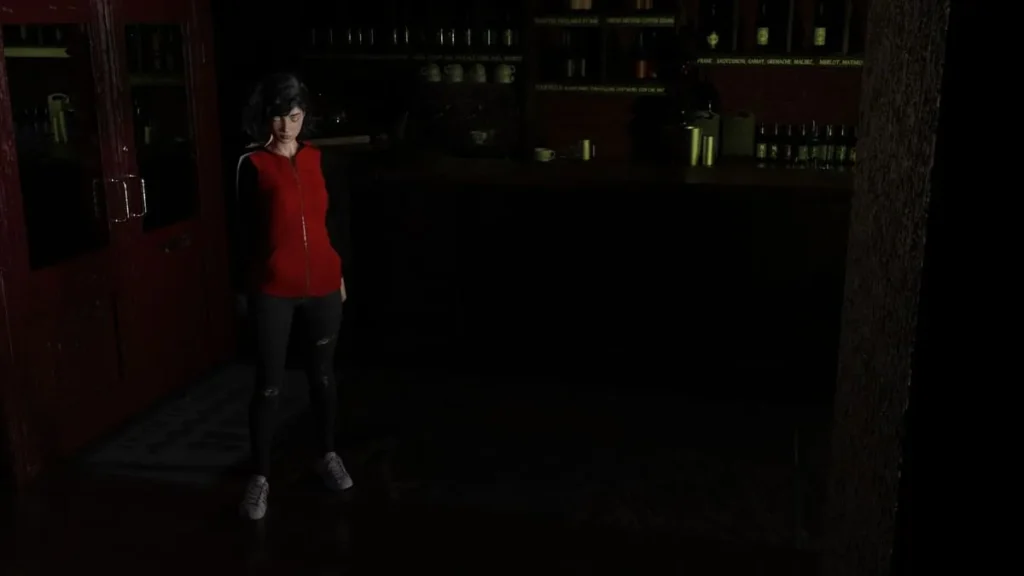
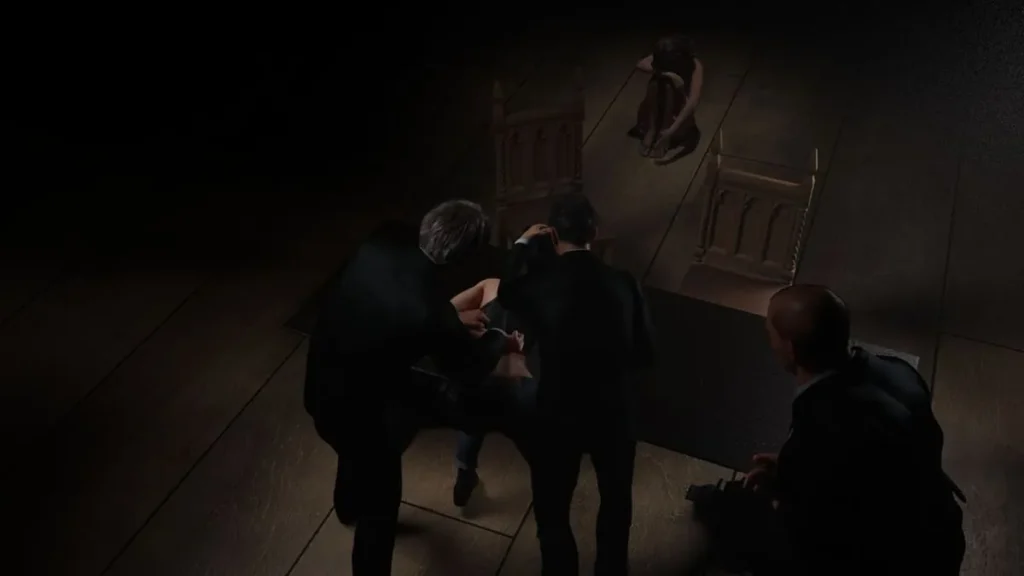
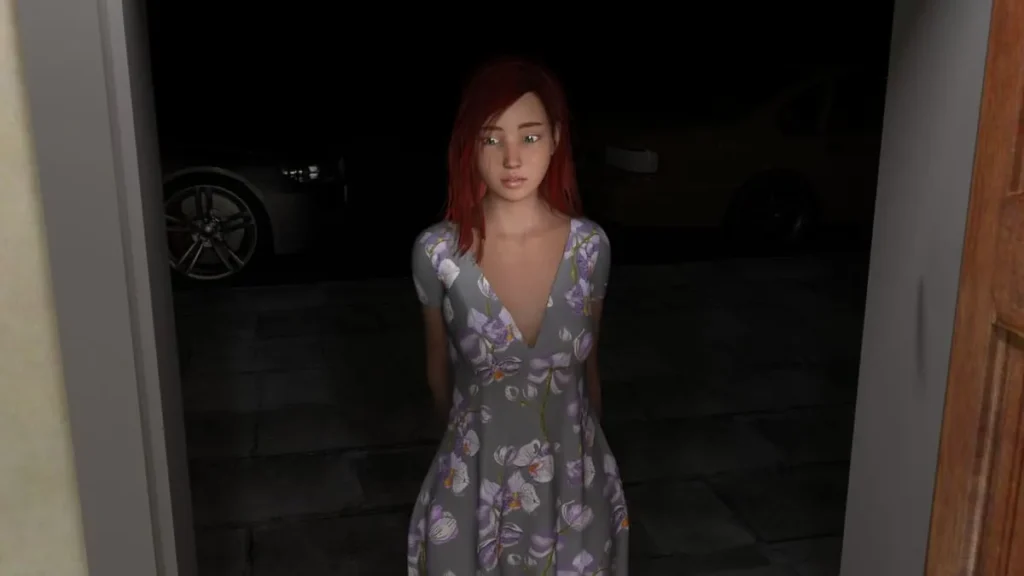



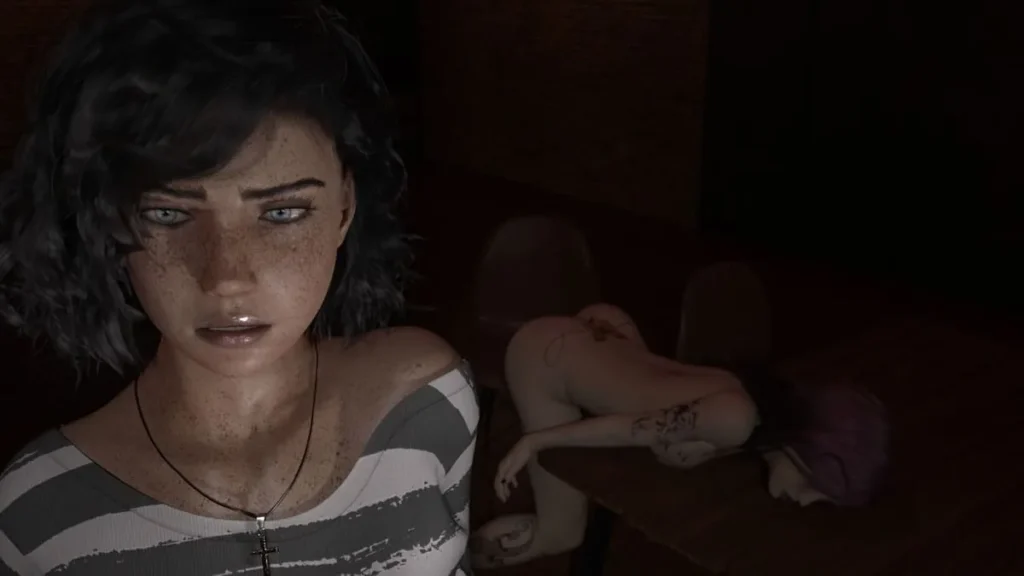







The Theater of Sinners review
Dive into humiliation, corruption, and twisted choices in this gripping Ren’Py game
Imagine stumbling into a shadowy theater where every curtain hides a sin, and your choices dictate who breaks and who thrives. That’s The Theater of Sinners, the chilling Ren’Py visual novel by JustXThings that’s captivating players with its raw tale of humiliation, corruption, and blurred morality. Version 0.3 Alpha 1 thrusts you into the lives of protagonists like Paula, daughter of power tangled with teen delinquents, and Rebecca, scarred by abuse. I first booted it up late one night, expecting quick thrills, but hours vanished as decisions spiraled into unpredictable chaos. This guide unpacks the Theater of Sinners storyline, mechanics, and tips to master its psychological depths—perfect if you’re craving a game that lingers long after the screen fades.
What Makes The Theater of Sinners Unmissable?
I still remember the first time I truly understood what The Theater of Sinners was about. It wasn’t during a dramatic cutscene or a major plot reveal. It was a quiet moment, a simple choice presented to Paula. A group of delinquents had backed her into a corner, and the game gave me two options: beg for mercy with dignity, or submit and perform a humiliating act to avoid a worse beating. I chose the latter, thinking it was the “smart,” less painful route. Watching Paula’s expression shift from fear to a hollow, resigned compliance was a gut punch. That single decision didn’t just change a scene; it sent her down a deviant turn, a branch of corruption I hadn’t even seen coming. That’s the moment I knew this wasn’t just another visual novel. 😨
So, what is The Theater of Sinners? At its core, it’s a gripping Ren’Py game that masterfully uses moral ambiguity in games to explore dark, psychological territory. You’re not just reading a story; you’re directing a dark play where humiliation, corruption, and twisted romance are the main acts. The power—and the horror—lies in how your choices shape the fragile souls of the Theater of Sinners protagonists. You don’t just watch their fall; you orchestrate it.
Who Are the Core Characters Driving the Drama? 🎭
The heart of this experience is its deeply flawed, tragically human cast. The Theater of Sinners characters aren’t archetypes; they’re broken people shaped by relentless cruelty, and you hold the chisel.
The two central Theater of Sinners protagonists are Paula and Rebecca, and their lives are studies in contrasting despair.
-
Paula is the girl who had everything, yet possesses nothing. As the daughter of a wealthy, almighty community figure, her life is a gilded cage. Her story, Paula Theater of Sinners, is one of terrifying vulnerability. Bullied relentlessly for her status and perceived weakness, she’s pushed into situations where the only perceived escape is through degrading acts. Your choices determine whether she shatters completely, finds a twisted strength in submission, or claws toward a nearly impossible redemption. Her path is a chilling look at how powerlessness can curdle into perversion.
-
Rebecca’s story is raw and grounded in a different kind of hell. The Rebecca Theater of Sinners narrative shows us a girl raised by a neglectful addict mother and a violently abusive step-father. She’s hardened, cynical, and fueled by a rage that threatens to consume her. The tragic irony of her journey is the risk of becoming what she hates most. Your guidance can steer her toward destructive vengeance, a replication of the abuse she endured, or a painful, grueling path toward breaking the cycle.
Beyond our main leads, the supporting cast is equally crucial. From seemingly loyal friends with hidden agendas to detestable antagonists who are sometimes pitiable, every character you meet adds another layer of pressure and possibility to the protagonists’ lives. They are the catalysts, the tempters, and sometimes the mirrors reflecting the worst outcomes of your decisions.
To keep the complex Theater of Sinners characters straight, here’s a quick reference:
- Paula: 🏛️ The Privileged Prisoner – Daughter of a powerful figure, targeted by bullies, path defined by humiliation and corrupted innocence.
- Rebecca: 🔥 The Scarred Fighter – Survivor of a broken, abusive home, struggles with internalized rage and the cycle of violence.
- The Delinquents: 🐺 The Catalysts of Chaos – Not mindless villains, but complex aggressors who reflect society’s cruelties.
- The Family Figures: 👨👩👧 The Sources of Trauma – Absent, abusive, or oppressive, their shadows loom over every decision.
- The Bystanders: 👁️ The Moral Audience – Friends and acquaintances who watch, judge, and are often complicit through their silence.
How Does the Storyline Weave Humiliation and Redemption? 🧵
The Theater of Sinners storyline is a masterclass in non-linear, psychological storytelling. It doesn’t follow a straight line from point A to point B. Instead, it uses flashbacks, dream sequences, and fragmented memories to pull you deeper into the protagonists’ traumatized minds. You’ll piece together why Paula is so passive or what specific incident broke Rebecca’s trust, making their present-day choices agonizingly understandable.
This structure brilliantly serves the game’s core themes: cycles of abuse, suffocating guilt, and the search for identity in the wreckage. One developer note perfectly captures the intent:
“We wanted to explore the dynamics of power and trauma not as fantasy, but as a psychological landscape. The D/s elements aren’t about titillation; they’re about the terrifying vulnerability and warped agency that can emerge from a total loss of control.”
This quote hits the nail on the head. The Theater of Sinners storyline forces you to live in that “psychological landscape.” Humiliation isn’t just an event; it’s a transformative process that can lead to further degradation or become a strange, painful first step toward reclaiming a sense of self. Redemption, if you can find it, is never clean or easy. It’s messy, fraught with relapse, and often looks nothing like you imagined. This relentless moral ambiguity in games is what makes the narrative so compelling—and so hard to shake after you close the game.
Why Do Player Choices Hit So Hard? ⚖️
In many games, choices feel transactional. In The Theater of Sinners, they feel psychological. Every dialogue option, every action, is a direct intervention into a character’s mental state. This is where the game’s genius mechanics intertwine with its story.
The game uses a hidden stat system tracking traits like Willpower, Corruption, Fear, and Desire. That “small” choice I made with Paula didn’t just progress the scene; it critically lowered her Willpower and raised her Corruption, locking me onto a branch I didn’t even know existed. This is why the practical advice is crucial:
Prioritize stat-raising events and character interactions before major story milestones. Building a character’s Willpower early might unlock a defiant option later. Letting their Corruption fester will make certain degrading choices the only ones available.
Your choices hit hard because they have permanent, cascading consequences. You’re not picking from a menu of good or evil endings. You’re gently (or violently) bending a personality over time, and the game remembers everything. This transforms the experience from simple storytelling into authentic psychological horror. There are no jump scares here. The horror is in Paula’s empty smile after a degrading act, or in the cold glare Rebecca gives you after you encouraged her violent side. It’s the horror of seeing your direct influence warp a human soul, and it’s utterly addictive. 😶
In the end, what is The Theater of Sinners but a mirror? It’s a dark, uncomfortable playground where we explore the extremes of human resilience and degradation. Through the journey of the Theater of Sinners protagonists like Paula and Rebecca, we confront unsettling questions about agency, trauma, and where the line between survival and surrender truly lies. It’s an unmissable experience for anyone who believes games can explore complex, adult themes with nuance and brutal impact.
Ready to step into the director’s chair? In our next chapter, we’ll break down the essential mechanics—from managing those critical hidden stats to navigating the game’s branching flowchart—to help you survive your first act in this unforgettable theater. 🎬
| Character | Core Struggle | Key Stat to Monitor |
|---|---|---|
| Paula | Corruption of Innocence / Finding Agency | Willpower vs. Corruption |
| Rebecca | Breaking the Cycle of Abuse / Managing Rage | Rage vs. Empathy |
From Paula’s perilous slide into deviance to Rebecca’s battle against her demons, The Theater of Sinners masterfully captures the thrill of choices that scar and redeem in equal measure. My own playthroughs revealed how one hesitant decision can unlock hidden branches, turning dread into obsession. Whether you’re drawn to the atmospheric dread, complex Theater of Sinners characters, or the rush of shaping twisted fates, this Ren’Py gem delivers. Grab version 0.3 Alpha 1 from itch.io, dive in, and let the curtains rise on your story. What’s your first big choice going to be? Share in the comments—I’d love to hear how it unfolds for you.