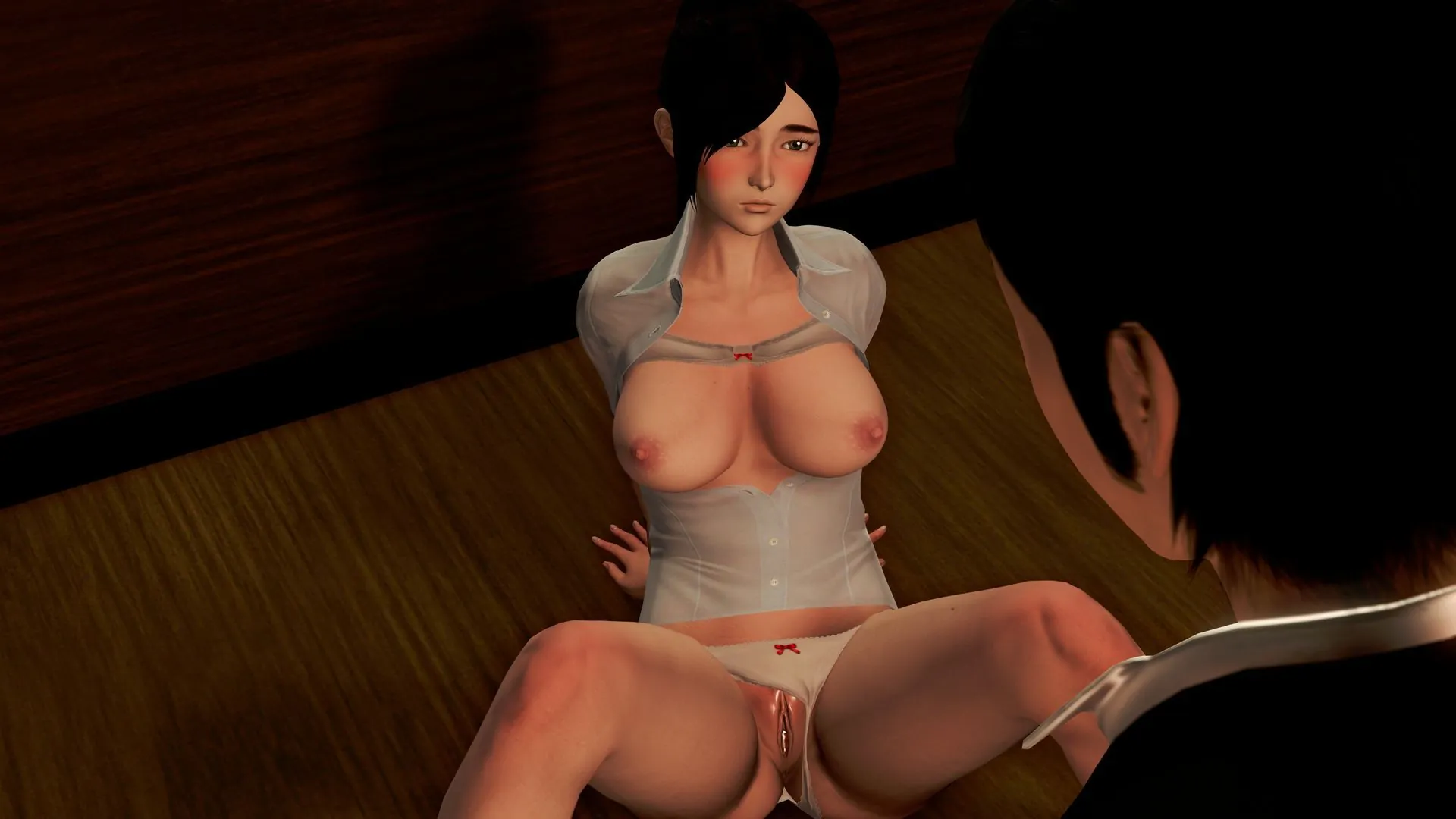
Something to Write About: The Author
Play Something to Write About: The Author
Something to Write About: The Author Screenshots






Something to Write About: The Author review
A focused guide to the mechanics, characters, and player experience of ‘Something to Write About: The Author’
Something to Write About: The Author is a single-game profile that explores the game’s premise, characters, systems, and player experience in depth. This article focuses exclusively on Something to Write About: The Author, offering a clear overview, hands-on insights, and practical advice for players and curious readers. You’ll get a storytelling-led description of the game’s tone and core mechanics, candid impressions drawn from play sessions, and actionable tips so readers can decide whether to try it themselves.
Game Overview and Core Premise
Ever stumble upon a game that feels less like a typical diversion and more like a whispered secret, an invitation to a world you never knew you were looking for? That was my exact experience with Something to Write About: The Author. 🖋️ I remember booting it up late one night, expecting perhaps a simple storytelling sim. Instead, I was immediately plunged into a quiet, rain-slicked street and presented with a choice that felt disarmingly personal. It wasn’t about picking a dialogue option to be “good” or “evil”; it was about deciding how my character, a struggling writer, would react to a moment of profound creative doubt. In that instant, I knew this wasn’t just a game—it was a different kind of creative instrument.
To get our bearings, here’s a quick look at the essentials:
| Category | Details |
|---|---|
| Developer / Publisher | Writerside Games |
| Platform | PC (Windows, Mac, Linux) |
| Release Status | Available Now |
| Core Genre | Interactive Narrative / Visual Novel |
| Content Notes | Mature Themes, Romantic and Intimate Scenarios, Strong Language, Psychological Depth |
| Estimated Playtime | 10-15 Hours per Story Path |
This table gives you the skeleton, but the real magic is in the soul of the experience. Let’s dive into the heart of what makes this game so captivating.
What is Something to Write About: The Author?
At its core, Something to Write About: The Author is an interactive visual novel that places you directly into the worn-out shoes of a novelist battling a fierce and paralyzing creative block. 🧠 This isn’t a game about grand adventures or saving the world; it’s an intimate, character-driven exploration of artistry, human connection, and the messy process of finding your voice. The central objective seems simple on paper: write your next great novel. But the path to getting there is anything but, as it becomes hopelessly intertwined with the complex lives of the people you meet and the relationships you nurture (or neglect).
The genius of the Something to Write About: The Author game overview is how it frames the act of creation. Your writing progress is a direct reflection of your character’s emotional and mental state. Connecting with another character might unlock a burst of inspiration, while a heated argument could see you staring at a blank page for days in-game. You’re not just managing stats; you’re managing a writer’s fragile ecosystem. The Something to Write About: The Author premise is fundamentally about the tension between the isolated artist and the world they must engage with to create anything meaningful. It asks: can you truly write about life if you’re not living it?
Setting, Tone, and Target Audience
The game setting and tone are where Something to Write About: The Author truly establishes its unique identity. The story unfolds in a modern, slightly melancholic urban environment—think cozy, cluttered apartments, quiet cafes perfect for people-watching, and dimly-lit bars that host open mic nights. It’s a world that feels immediately familiar, a canvas painted in shades of everyday reality that makes the emotional highs and lows hit with greater force. 🌆
The tone is predominantly introspective and dramatic, often leaning into a raw, psychological realism. There’s a palpable sense of anxiety and yearning that surrounds your protagonist. However, it’s not unrelentingly grim. The writing expertly weaves in warm moments of humor, genuine connection, and romantic tension. When romance does enter the picture, it’s treated with a mature focus on emotional intimacy and character development, serving as a catalyst for personal (and creative) growth rather than being the sole endpoint.
So, who is this for? Identifying the target audience Something to Write About: The Author aims for is key. This game is a perfect match for players who:
* Crave narrative depth over mechanical complexity.
* Enjoy slow-burn, character-driven stories where relationships develop organically.
* Are fascinated by creative process and psychological exploration.
* Appreciate mature themes handled with nuance and respect for the player’s intelligence.
* Seek games with high replayability driven by meaningful choice.
It’s less for those seeking fast-paced action or light-hearted comedy, and more for someone who enjoys curling up with a compelling novel—except this time, they get to help write it. If you’ve ever enjoyed losing yourself in the emotional intricacies of a well-written drama or literary fiction, this game was crafted with you in mind.
How the Game’s Structure Shapes Player Choices
The engine of this entire experience is its brilliant interactive narrative structure. Something to Write About: The Author employs a highly branching, choice-driven framework that goes far beyond the illusion of consequence. This isn’t a linear path with minor detours. From nearly the first moment, your decisions begin pruning an immense possibility tree, determining which characters you grow close to, which subplots you unlock, and ultimately, the thematic conclusion of both your novel and your personal journey.
The structure is episodic in feel, often moving through periods of time (e.g., “A Week Later”) that allow relationships and storylines to develop off-screen, mirroring the passage of time in a writer’s life. This design directly shapes player choice by making every interaction feel weighted. A casual coffee invitation isn’t just a checkmark; it’s an investment of your character’s limited time and emotional energy. Choosing to spend an evening working alone versus going to a gallery opening with a potential muse presents a real dilemma that feeds back into your creative output.
My personal anecdote from the opening perfectly illustrates this. Faced with that initial moment of doubt, I chose a response flavored with self-deprecating humor. This seemingly small choice immediately began shaping my protagonist’s personality in the game’s eyes, unlocking subsequent dialogue options and character reactions that were consistently wry and defensive. On a second playthrough, I chose a more vulnerable, frustrated response. The entire tenor of the early game shifted—characters approached mine with more concern, and different opportunities for connection arose. The interactive narrative structure isn’t just a feature; it’s the core thesis of the game, arguing that who we are as creators is defined by the sum of our choices, both big and small.
Tip from a Veteran Player: Don’t try to “game” the system on your first playthrough. Go with your gut. The most rewarding way to experience Something to Write About: The Author is to make choices that feel true to the character you’re imagining in the moment. The replay value comes from seeing how a different personality navigates the same world.
This structure creates immense replayability. A single playthrough might last 10-15 hours, but uncovering all the narrative branches, character endings, and completed novel variations can take dozens more. It’s a game that rewards introspection and curiosity, inviting you to explore not just the story, but the many different writers—and people—you could choose to become.
A Quick, Crucial Note on Content:
Given the mature and personal nature of the story, it’s fair to offer a content summary. Something to Write About: The Author deals explicitly with adult relationships, including intimate scenes that are woven into the narrative as expressions of character connection. The game also tackles themes of anxiety, creative insecurity, and emotional vulnerability with a realistic, sometimes stark, lens. It’s a game for adults, not just in its content, but in its emotional complexity. If you’re looking for a narrative that isn’t afraid to explore the messier parts of the human experience, you’ll find it here.
To wrap up this overview, if you’re about to start your first journey into this compelling Something to Write About: The Author game overview, here’s what you can expect in your initial 15 minutes:
- Immersive Character Creation: You’ll define more than just appearance; you’ll set the foundational personality and background of your writer, which influences starting stats and early options.
- A Tone-Setting Premise: You’ll be plunged directly into the central conflict of creative block, meeting a key character who will challenge or support you based on your immediate reactions.
- The First Major Crossroads: You’ll be presented with a significant choice regarding how to spend your time—a direct tutorial in the game’s core philosophy that your time and choices are your most valuable resources.
Now that we’ve laid the groundwork of the Something to Write About: The Author premise and its world, you’re ready to step into the writer’s apartment, face that blank page, and discover what story you have to tell. ✨
Something to Write About: The Author is a focused interactive experience that combines character-driven writing and choice-based systems to create a specific player experience. This article summarized the game’s premise, characters, mechanics, audiovisual presentation, and important content warnings while offering hands-on tips and personal observations to help readers decide whether to play. If you’re curious, try a short session with the setup checklist and use the content warnings to set boundaries; join respectful community spaces to ask questions and share experiences.