Man of the House Screenshots








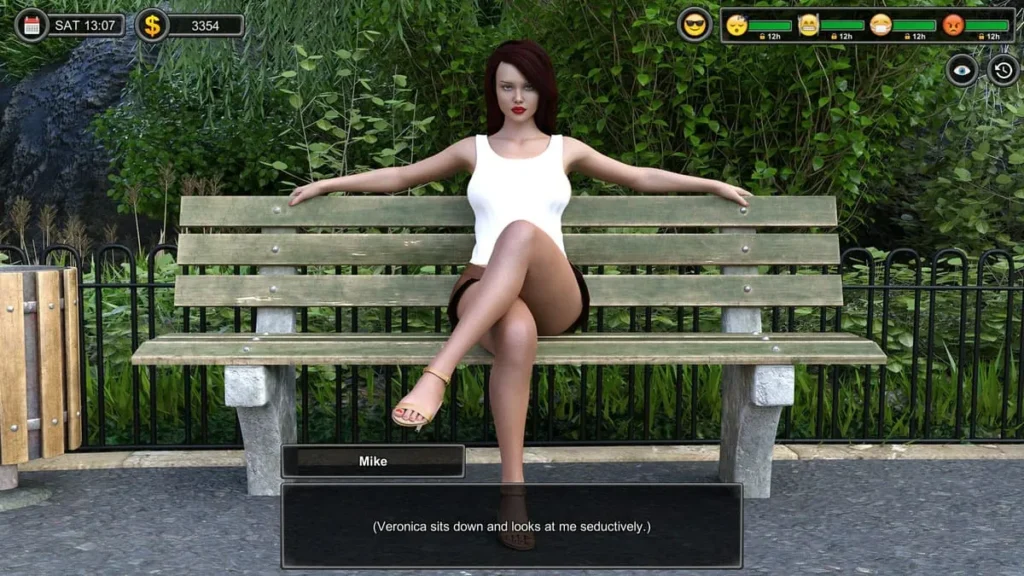
Man of the House review
Walkthrough, strategies, and player tips for Man of the House
This article is a complete, player-focused guide to Man of the House that walks you through core mechanics, character progression, and choices that unlock major scenes. Whether you’re starting the game or aiming to see every path, this guide gives actionable strategies built from play experience and community-tested walkthroughs. I’ll share personal tips, common pitfalls, and step-by-step sequences that helped me finish multiple playthroughs.
Core mechanics and player stats in Man of the House
Alright, let’s get down to business. 🎮 If you’re diving into Man of the House, you’ve probably realized it’s about way more than just clicking through dialogue. Your success—or spectacular failure—hinges on two intertwined systems: your character stats and your daily schedule. Master these, and you unlock the game’s deepest secrets. Ignore them, and you’ll hit frustrating walls. I learned this the hard way on my first run, wandering aimlessly until a crucial scene was locked away forever. 😩
This chapter is your blueprint. We’re cracking open the core mechanics to show you exactly what each Man of the House stat does, how to build them efficiently, and how to structure your Man of the House schedule from day one. Let’s turn you from a confused newcomer into a strategic master of the house.
What each stat does and why it matters
Think of your stats as your keyring. 🗝️ Every door in the game—every special interaction, romantic path, or story progression—requires a specific key of a certain level. Your stats are those keys. They are the primary gatekeepers for nearly everything meaningful.
Here’s the breakdown of the main Man of the House stats you need to manage:
- Body: This is your physical fitness. It’s not just about looking good (though it helps!). A high Body stat unlocks scenes requiring strength or stamina, allows you to participate in certain physical activities with characters, and can influence how others perceive your confidence and capability.
- Smarts: Your intellectual and knowledge-based skill. Improving Smarts opens up dialogue options that show wit, allows you to help characters with problems like homework or technical issues, and is often required for more sophisticated career or story paths later on.
- Charm: Arguably the most versatile stat. Charm is your social grace, persuasion, and likability. It’s crucial for flirting, smoothing over awkward situations, gaining trust quickly, and unlocking private, more intimate conversations. Neglecting this is a common rookie mistake!
- Handiness: Your practical skill for fixing and building things. This stat gates a ton of content! Many characters have requests or storylines that involve repairing something, assembling furniture, or troubleshooting gadgets. A low Handiness stat means missing out on these quests and the relationship boosts they bring.
Pro Tip: Don’t think of stats in isolation. Often, a scene will check for a combination. You might need Charm and Smarts to successfully navigate a tricky conversation, or Body and Handiness to help with a demanding task.
On my very first playthrough, I obsessed over Body and Handiness, thinking the practical route was best. I became a fit, fix-it guru… but a socially awkward one. When a key character approached me with a complex emotional problem, my Charm and Smarts were too low. The dialogue options were pathetic, the conversation ended badly, and that entire story branch sealed shut. I had to replay two weeks of game time to fix it! 💔 This taught me that balanced growth, with a slight focus based on your goals, is essential.
How to plan early stat growth
Your first week in the game is the most important. ⏳ Time and energy are limited, so you must invest them wisely. The early game strategy for Man of the House is all about foundational growth—getting those core stats to a level where they stop being immediate barriers. Spreading your efforts too thin is the #1 mistake. Trying to do a little of everything each day leads to slow progress and missed early opportunities.
So, how do you increase stats in Man of the House effectively? You target the best activities for stats that give you the most bang for your buck. Some actions are simply more efficient than others.
Here’s a quick-reference table to plan your time. This is your cheat sheet for how to increase stats Man of the House style.
| Activity | Primary Stat Gain | Time Cost | Notes & Tips |
|---|---|---|---|
| Home Workout | Body | 1 Hour | Free, always available. Perfect for filling small time gaps. |
| Gym Visit | Body | 2 Hours | Larger gain than home workout. Can sometimes trigger character meetings. |
| Reading (Library/Home) | Smarts | 1-2 Hours | The core activity for Smarts. Different books may have same effect. |
| Using the Computer | Smarts / Charm | 1 Hour | Check the action description! “Research” boosts Smarts, “Social Media” may boost Charm. |
| Practicing Conversation (Mirror) | Charm | 30 Mins | Fast, efficient, and done at home. A must-do in early days. |
| Helping with Tasks | Charm / Handiness | Varies | Offers from characters. Great as they often give stat boosts *and* relationship points. |
| Repairing House Items | Handiness | 1-2 Hours | Look for sparkles or mentioned broken items. Finite early on, so grab them! |
| Building Models/Kits | Handiness | 2+ Hours | Big gains, but requires bought components. A mid-game investment. |
My recommended early game strategy for Man of the House is a 3-phase plan for the first 7-10 days:
- Days 1-3: The Baseline Boost. Pick one activity for each of the four main stats and do it once. Get everything to at least level 2. This prevents immediate locks.
- Days 4-7: Strategic Focus. Identify one or two characters or paths you’re most interested in. Look at what stats their early scenes require (often visible in faint text if you fail a check). Focus 60% of your time on raising those 1-2 stats to level 4-5.
- Days 8-14: Fill the Gaps. Now, bring your lagging stats up to level 3-4. You should be aiming for stats around 4-5 in your focus areas and 3-4 in others by the end of the second week. This sets you up beautifully for mid-game.
Daily routine: time management and scheduling
The Man of the House schedule is a puzzle. You have a set number of time blocks each day (morning, afternoon, evening), and many events are only available at specific times or on specific days. 🗓️ The game world moves with or without you. If you spend every day at the gym, you’ll miss birthday parties, shopping trips, and special requests.
Managing your Man of the House schedule is the art of balancing stat grind with opportunity capture.
Here’s a sample efficient day from that crucial first week, assuming a standard weekday:
- Morning (1 hour): Quick Home Workout (+Body). It’s fast and gets the blood pumping.
- Morning (1 hour): Practice Conversation in the bathroom mirror (+Charm). This efficient half-hour activity is a staple.
- Afternoon (2 hours): Head to the Library and Read (+Smarts). This is a solid, uninterrupted block for a core stat.
- Evening (1-2 hours): Socialize or Help. This is your flexible slot. Check if any character is home and wants to talk (boosts relationships, may give hints) or if a help task is available (often +Handiness/Charm). If not, use the computer for research (+Smarts).
Common Scheduling Mistakes & How to Avoid Them:
- Ignoring the Calendar: Some events are one-time-only! Always check your in-game phone or calendar at the start of the week. Plan your stat activities around these fixed events.
- Overcommitting Long Tasks: A 3-hour activity might kill your entire evening, making you miss a spontaneous character encounter. In the early game, favor shorter, reliable actions.
- Forgetting Downtime: Some relationship-building happens in unstructured time—lingering in the kitchen, sitting in the living room. Not every block needs a formal activity. Sometimes, just “being around” is the strategy.
As for target values? Here’s a rough guide:
* Mid-Game (Weeks 3-5): Aim for stats in the 6-7 range for your primary focus, and 5-6 for others. This will unlock most intermediate scenes and multi-stat checks.
* Late-Game / Endgame: To see all content and unlock every final scene, you’ll likely need at least one stat at 8-9, with others no lower than 7. The final challenges test your well-rounded development.
Remember, your Man of the House stats are the engine, and your Man of the House schedule is the steering wheel. 🏡⚙️ You need both to navigate the game successfully. Plan your growth, watch the clock, and be ready to pivot when a special event pops up. Now that you’ve got the mechanics down, you’re ready to build the foundation for whatever story you want to create. Go on, make your mark on the house
Man of the House rewards careful planning, focused stat growth, and attention to event windows. Use the day-by-day recommendations to secure early access to critical scenes, prioritize relationships according to your intended ending, and keep multiple saves so you can experiment safely. With the tactics and examples above you should be able to reach alternate endings and complete achievement objectives; if you get stuck, revisit the relevant day plan, adjust stat priorities, and try the recommended save-reload tactic.