
Lessons in Love
Play Lessons in Love
Lessons in Love Screenshots




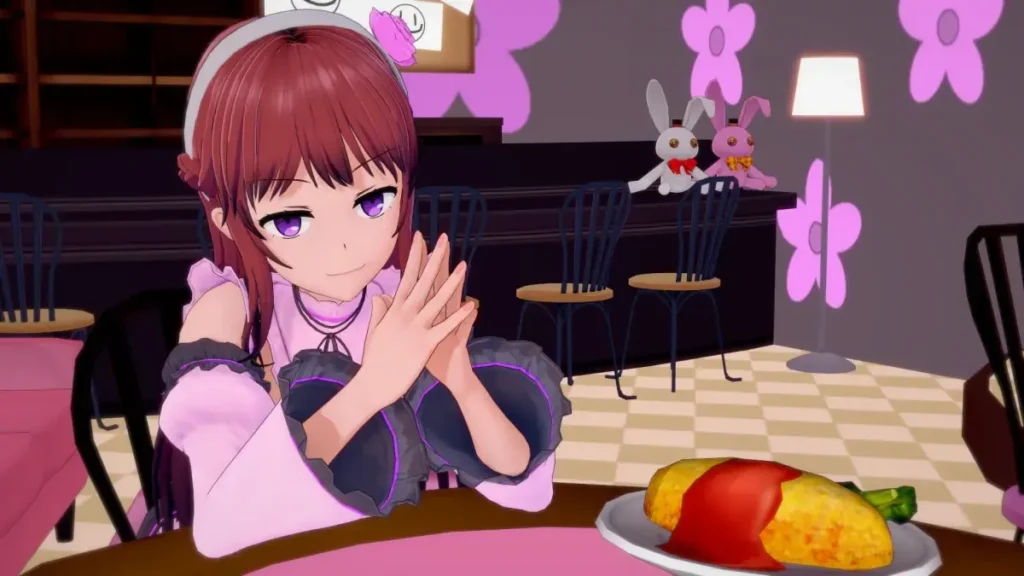
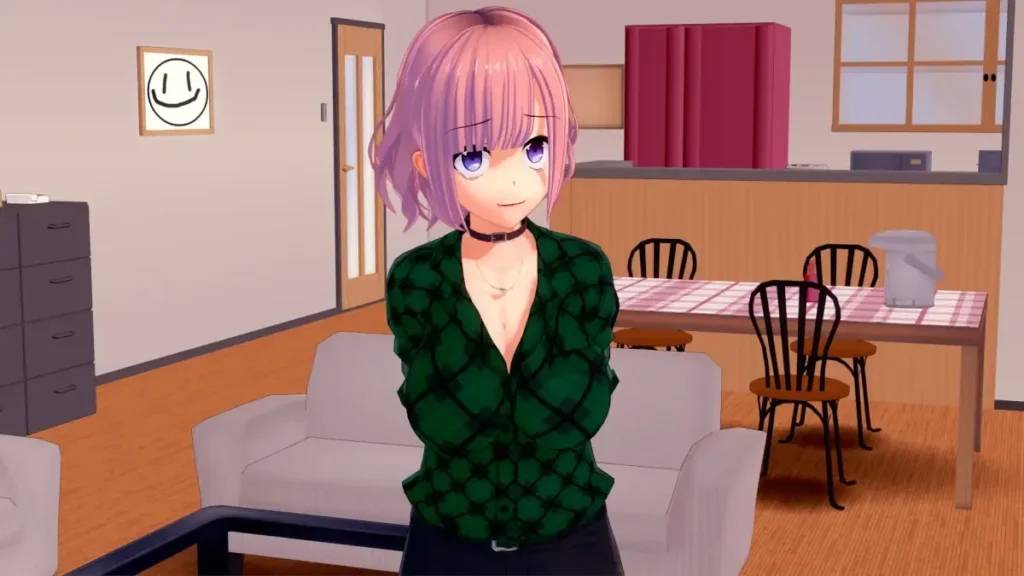
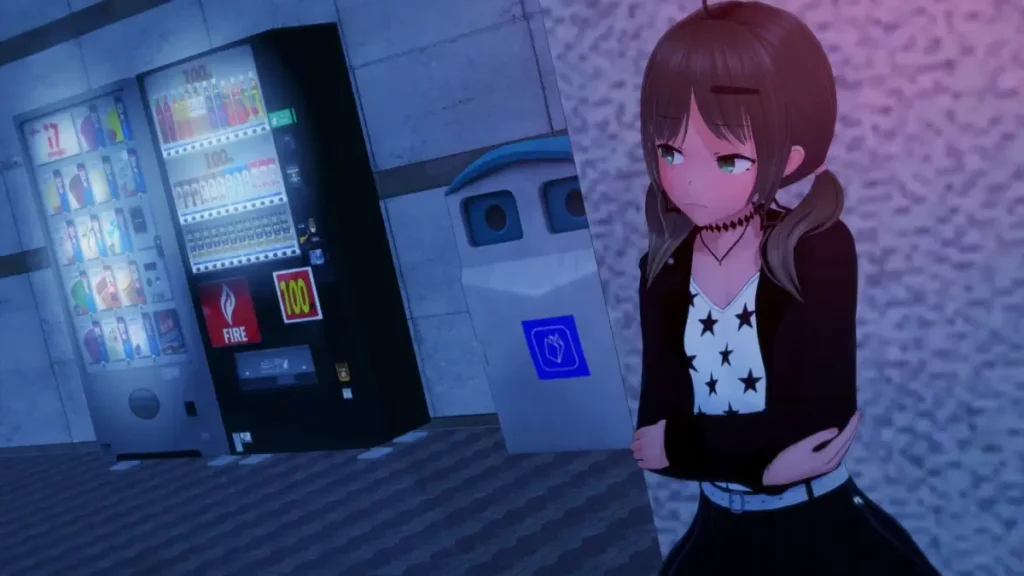


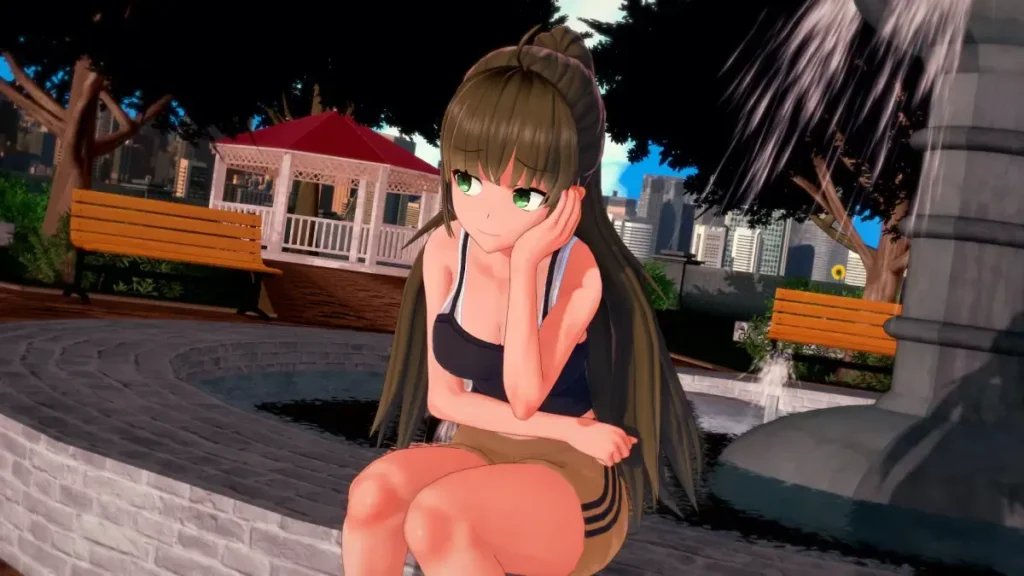






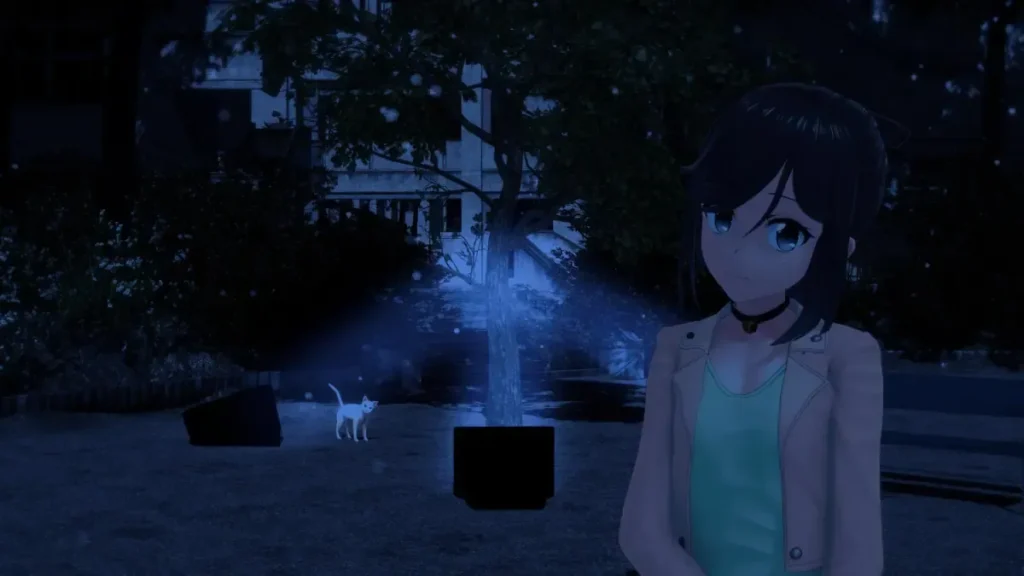
Lessons in Love review
A personal look at the Lessons in Love visual novel, its characters, branching paths, and what players can really learn from it
Lessons in Love is a long-form visual novel that combines slice‑of‑life classroom drama with surreal horror, dense lore, and complex character arcs. From the very first in‑game days, you can feel that the classroom, the town of Kumon‑mi, and even the teacher you control are hiding far more than they reveal. When I first picked it up, I expected a straightforward dating experience. Instead, I found a slow‑burn narrative full of consequences, emotional gut punches, and strange metaphysics. In this article, I’ll walk you through how Lessons in Love works, what makes its routes and events so compelling, and some grounded advice for new and returning players who want to experience its story without missing the most meaningful moments.
How Lessons in Love Actually Works as a Game
If you’ve heard the name Lessons in Love whispered in visual novel circles, you might have a certain expectation. Romantic comedy, maybe? A straightforward dating sim? Let me stop you right there. 😅 The Lessons in Love game is something else entirely—a sprawling, mysterious, and often unsettling experience that blends everyday school life with creeping psychological dread and supernatural whispers. It’s less about simple romance and more about unraveling the haunting secrets of a town called Kumon-mi, all while trying to connect with a large cast of complex students.
You play as “Sensei,” a man who has quite literally stepped into another person’s life. You wake up with his job, his apartment, and his memories—sort of. The previous teacher is gone under murky circumstances, and you’re left to pick up the pieces. This isn’t just a framing device; it’s core to the eerie, questioning tone of the entire Lessons in Love visual novel. You’re an imposter in your own skin, trying to build real relationships while hiding a fundamental lie. It’s this unique blend of cozy slice-of-life and dark, unfolding mystery that makes its gameplay so compelling and distinct.
What is Lessons in Love and why does it feel so different?
Many visual novels present you with a clear goal: romance a character, solve a mystery, follow a linear plot. Lessons in Love throws you into a living, breathing world and says, “Figure it out.” The primary loop isn’t about making grand narrative choices every few minutes; it’s about the mundane, daily act of showing up.
Your role as Sensei is to teach, but your purpose as a player is to be present in Kumon-mi. You’ll navigate a calendar, manage your energy, and, most importantly, decide where to be during different times of the day. The story doesn’t push itself on you. Instead, it waits for you to discover it, piece by piece, in classroom corners, dormitory halls, and quiet town shops. This creates a powerful sense of realism and investment. You’re not just reading a story; you’re living a strange, borrowed life.
The difference also lies in tone. One moment you’re helping a student with homework, sharing a sweet, funny conversation. The next, a character might say something profoundly disturbing, or you’ll encounter a surreal, dream-like sequence that hints at the fractured reality of the world. This constant juxtaposition is intentional. It keeps you off-balance, mirroring Sensei’s own dislocation, and makes every tender moment feel fragile and precious. The Lessons in Love game is a masterclass in atmospheric storytelling where the environment itself is a character.
Daily scheduling, affection, and event systems explained
Let’s get into the nuts and bolts of how to play Lessons in Love. Forget about traditional levels or skill trees. Here, your currencies are time, attention, and affection.
Each in-game day is split into key timeslots: Morning, Afternoon, Evening, and sometimes Late Night. Your main interaction is choosing a location to visit during these periods. Will you check the Classroom? Visit the Dorms? Take a walk to the Shopping District or the Park? Where you go determines who you meet and what scenes you trigger.
This is the core loop:
* Choose a Location: Pick where to spend your time slot from the map.
* Trigger an Event: Encounter a character (or multiple characters) at that location.
* Gain Affection & Stats: Your interaction will increase that character’s affection and sometimes other hidden stats.
* Unlock New Scenes: Reaching affection thresholds and meeting other conditions opens the next event in that character’s chain.
This is where the Lessons in Love affection system becomes the engine of the game. Spending time with a character is how you build your relationship. But it’s not just a simple number going up. Affection gates content. To see the next major event for a character like Ami, Futaba, or Makoto, you often need to reach a specific affection level and meet other prerequisites.
Those prerequisites are what give the Lessons in Love gameplay its depth and sometimes its frustration. Events are governed by a hidden logic of conditions:
* Day of the Week: Some events only happen on a Tuesday, or a Sunday.
* Time of Day: A conversation might only trigger in the Evening, not the Afternoon.
* Affection Thresholds: You might need Affection Level 15 with Ayane before her next story beat unlocks.
* Event Completion: You must have seen a prior event in the chain, sometimes for a different character.
* Missable Triggers: Sometimes, choosing Event B means Event A for that day is locked away permanently.
This creates sprawling, interwoven event chains that unfold over real weeks of in-game time. A character’s personal story isn’t a five-scene arc. It’s a novel-length journey with pauses, diversions, and connections to others’ stories. Because of this, players have created extensive fan-made flowcharts and tools to track this web of content. While these are invaluable for completionists, I strongly believe the Lessons in Love visual novel is designed to be played mostly blind first. The feeling of organic discovery is a huge part of its magic.
To make this system clearer, here’s a simplified look at what you might find at common locations:
| Location | Common Characters Found | Typical Time Slots | What Happens Here |
|---|---|---|---|
| Classroom 1-1 / Staff Room | Ami, Makoto, Sana, Chinami (Staff Room) | Morning, Afternoon | Core teaching scenes, story progression, checking in with multiple students at once. |
| Dormitories (Various Rooms) | Futaba, Ayane, Sakura, etc. | Afternoon, Evening | Private, one-on-one conversations, personal story progression, often requiring higher affection. |
| Shopping District / Cafe | Various town characters, sometimes students | Afternoon, Evening | World-building, side events, unlocking new locations, and occasional student encounters. |
| Park / Beach | Random encounters, specific event chains | Afternoon, Weekend Days | Leisurely scenes, reflective moments, and events tied to specific story flags. |
My own learning curve with Lessons in Love’s structure
I’ll be honest: my first ten hours with the Lessons in Love game were defined by pleasant confusion. 🙃 I’d wander the town, have a few charming chats, and then… nothing. Events seemed to dry up. I’d visit the classroom and get generic dialogue. I thought I’d broken it, or worse, that the game was just incredibly slow. I didn’t yet understand the language it was speaking.
The breakthrough came when I stopped trying to meet everyone and started focusing on just two or three girls. I picked Ami, often the first point of contact, and Futaba. I made a habit of checking the classroom every single morning. I noted which characters were consistently at the dorms in the evening. Slowly, I saw the patterns. Ami’s affection ticked up, and suddenly a new, more serious event triggered. That event referenced something Makoto said, so I started spending more time with her. The dominoes began to fall.
I also learned to use the in-game event tracker (the “Replay” section) like a detective’s notebook. If I saw a new event was available but greyed out, I knew I had a puzzle to solve: Who is it for? What location? What time? Experimentation became key. The “Ah-ha!” moment of finally unlocking a stalled story chain by visiting the park on a rainy Saturday afternoon was more rewarding than any boss fight.
This is where the Lessons in Love choices explained themselves to me. Choices aren’t always dramatic “save the world” dialogues. The most important choice is often: Who do you spend your limited time with today? Choosing to visit Futaba at the dorms might advance her story but means missing a chance encounter with Ayane at the cafe that could have altered her path. Some dialogue choices can subtly shift a character’s route or lock you out of a specific scene. This gives the game tremendous weight and replayability. Your first playthrough is your story, with its own unique gaps and discoveries.
🎯 Practical Advice for New Senseis:
Don’t try to be a hero. You can’t see everything in one run, and that’s by design. Embrace the blind playthrough.
- Focus on a Few: Pick 2-4 characters that intrigue you and invest in them. This is the best way to understand how event chains progress.
- Check the Classroom Daily: It’s the hub. Morning and afternoon checks here will drive a lot of core story and give you clues about where to go next.
- Observe Dorm Patterns: Characters often have “home” times. Learning who is where in the evenings is crucial for advancing personal stories.
- Don’t Fear Missing Out: “Missing” an event isn’t failure; it’s creating your unique narrative thread. You can always explore different paths in subsequent runs.
- Use the Replay Menu: It’s your log. Greyed-out events are your current objectives. Let them guide your exploration.
The Lessons in Love gameplay loop, with its emphasis on daily routine and patient investment, ultimately becomes a powerful mirror for its themes. Building trust takes time. Uncovering truth requires consistent effort. The game’s structure is its message. You learn about love, loss, and connection in Kumon-mi the same way you do in life: one small, daily choice at a time.
❓ Mini FAQ: Lessons in Love Beginner Doubts
Is the Lessons in Love visual novel linear or branching?
It’s massively branching, but not in a always-obvious way. The overarching mystery has a central thread, but the character stories, relationship states, and which specific scenes you witness form a unique, non-linear web for each player. Your path is highly individualized.
Can I miss important events permanently?
Yes, and this is a key feature. Some events are mutually exclusive based on your choices of who to spend time with or what to say. Others have strict timing windows. This makes each playthrough personally “yours” and encourages replaying to see different story facets.
Do I need a guide to play?
Absolutely not for a first run. Using a detailed guide from the start will rob you of the game’s core experience: discovery and organic storytelling. Get stuck, experiment, and enjoy the mystery. Guides are fantastic for later playthroughs when you want to target specific content you missed.
Spending time with Lessons in Love felt less like ticking boxes in a dating sim and more like slowly getting to know a town full of people who were all carrying invisible weights. The more I experimented with schedules, revisited places at odd times, and followed quiet side characters, the more the story opened up in ways I didn’t expect. If you are just starting, give yourself permission to move slowly, focus on a few routes that resonate with you, and accept that missing a scene is sometimes part of the experience. Let the weirdness, the emotional swings, and the unexpected tenderness breathe. When you do, Lessons in Love stops being just a game on your backlog and becomes a long, unsettling, and surprisingly personal journey worth seeing through.