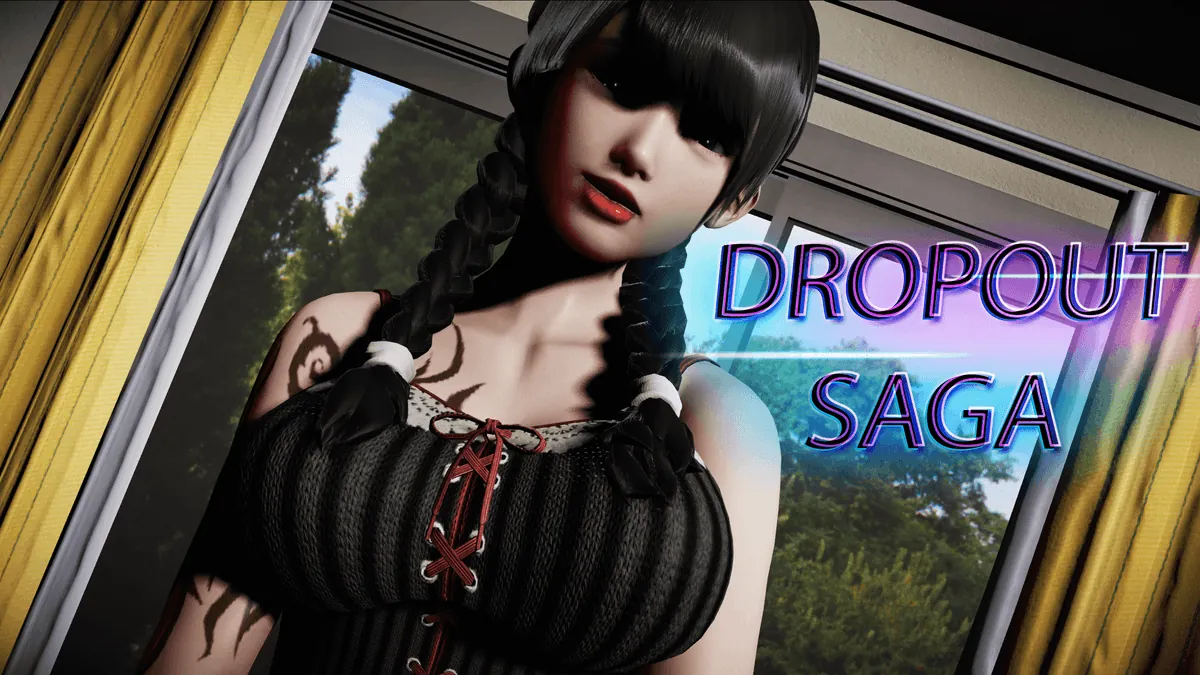
DropOut Saga
Play DropOut Saga
DropOut Saga Screenshots








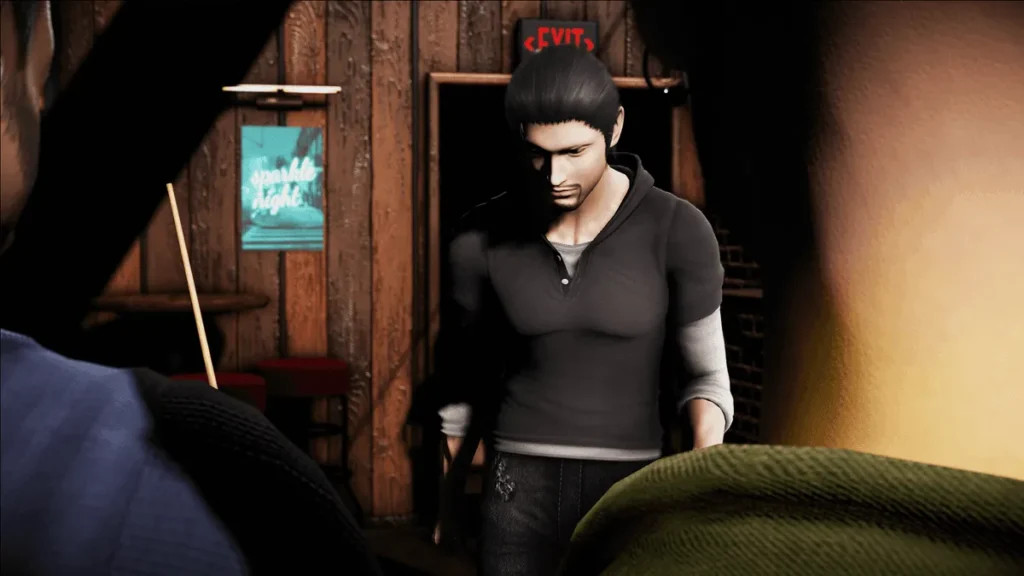





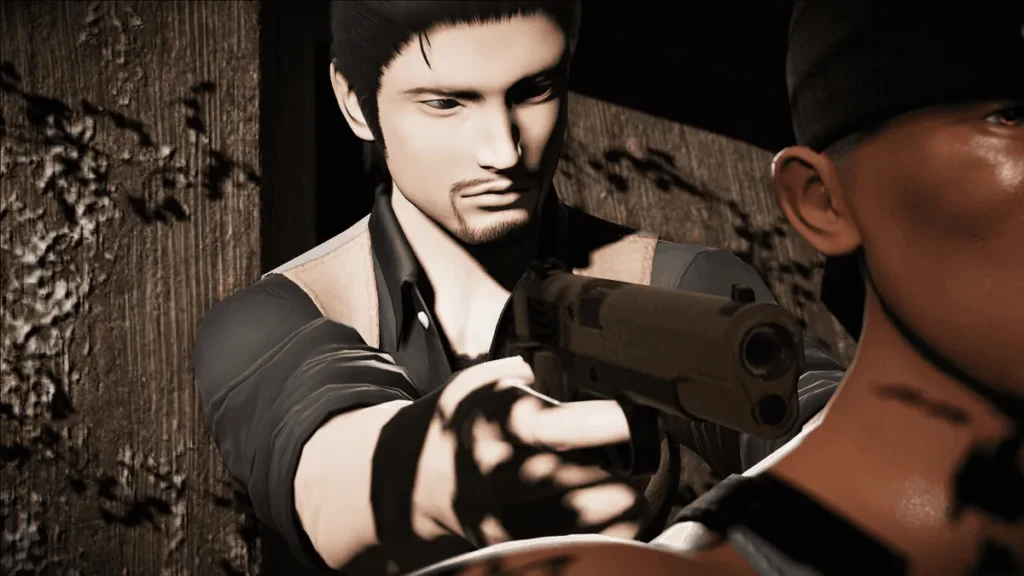



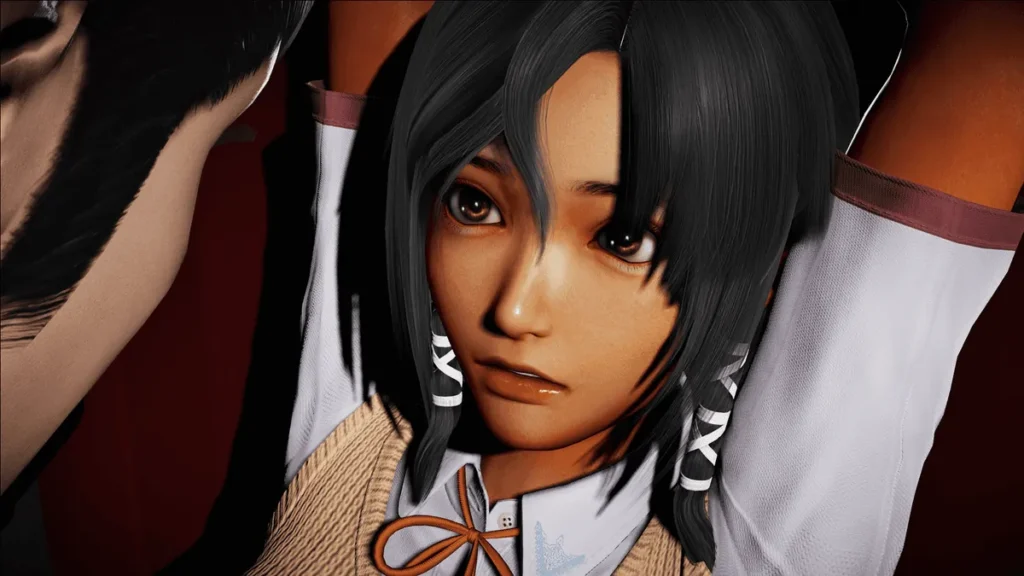


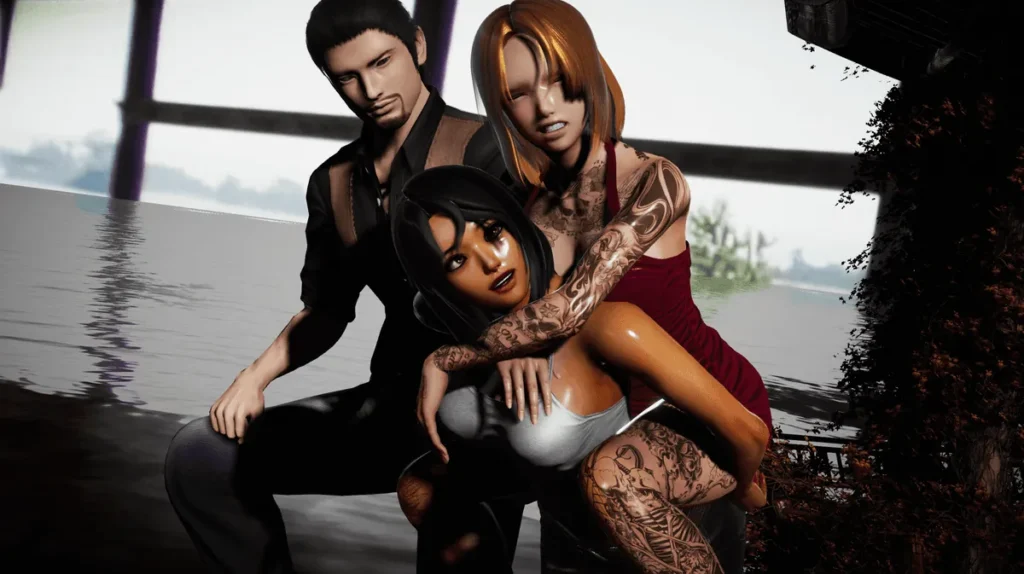
DropOut Saga review
Explore the interactive storytelling experience that combines engaging narratives with immersive gameplay mechanics
DropOut Saga stands out as a unique interactive game that seamlessly blends engaging storytelling with immersive gameplay elements. This comprehensive guide explores what makes DropOut Saga a compelling choice for players seeking narrative-driven experiences. Whether you’re a seasoned gamer or new to interactive adventures, understanding the core aspects of DropOut Saga will help you appreciate its design philosophy and gameplay mechanics. From character development to decision-making systems, this guide covers everything you need to know about this distinctive gaming experience.
Understanding DropOut Saga: Core Gameplay Mechanics and Features
Let me paint you a picture. You’re playing a game where the story is fantastic, but your role feels like that of a spectator 👀. You click where you’re told, you watch beautiful cutscenes, but deep down, you’re wondering… “Did I really make this happen?” If that sounds familiar, you’re not alone. Many narrative games promise choice but deliver a single, rigid path.
That’s exactly why DropOut Saga feels like such a breath of fresh air. It’s not just another story you watch unfold; it’s a world you actively build, dialogue you directly steer, and consequences you genuinely own. This is more than playing a game—it’s co-authoring an epic. Today, we’re diving deep into the engine room of this experience to understand the DropOut Saga gameplay mechanics and features that make its interactive storytelling game format so uniquely compelling. Buckle up! 🚀
### What Makes DropOut Saga Unique in Interactive Gaming 🎯
So, what’s the big deal? The gaming world is full of stories. DropOut Saga stands out because it masterfully erases the line between “playing” and “storytelling.” Most games are either heavily narrative-driven with limited interaction, or they’re gameplay-focused with a thin story layered on top. DropOut Saga refuses to choose. Its core philosophy is that your player choice and agency are the primary gameplay mechanics.
Forget skill trees based on combat prowess; here, your “build” is your personality, your relationships, and your moral compass. The game’s foundation is built on a simple, powerful idea: every decision, no matter how small, has weight. This creates a profoundly immersive game experience where you’re not guiding a character through a story—you are the character, living it.
Let’s break down the key elements that form this unique identity:
- The Dialogue Web: Conversations aren’t linear Q&A sessions. Your options dynamically shift based on your previous choices, character knowledge, and even your current emotional state in the story. Picking a sarcastic tone once might unlock new, sharper retorts later.
- Relationship as a Resource: Your bonds with other characters aren’t just flavor text or a “like” meter. They are functional gameplay assets. A strong friendship might grant you crucial information, an ally in a conflict, or a much-needed favor when resources are low.
- Consequential Time Management: The story progresses in a semi-structured timeline. Choosing to spend your afternoon investigating a mystery means you cannot be at the library studying. This simple mechanic forces meaningful prioritization, making your version of the story distinctly yours.
- The “Butterfly Effect” Log: The game keeps a detailed, in-universe log (like a character’s journal or social feed) that doesn’t just recap events, but explicitly links your actions to their outcomes. It visually shows you the cause and effect, making your agency tangible.
This blend means the DropOut Saga features a living narrative that feels responsive and deeply personal. It’s a game that remembers what you did, who you were, and isn’t afraid to make you face the music. 🎻
### Gameplay Mechanics That Define the Experience ⚙️
Alright, let’s get into the nuts and bolts. The DropOut Saga gameplay mechanics are elegantly designed to serve the story, creating a seamless loop where your engagement drives everything forward. It’s less about mastering a controller combo and more about mastering the social and emotional landscape of the game’s world.
The heart of the system is the Interactive Decision Matrix. Every significant moment presents you with a choice, but these aren’t just labeled “Good / Evil / Sarcastic.” They are contextual actions rooted in your character’s perspective. The game brilliantly obscures the full consequence, presenting you with the intent of your action, not its guaranteed result. For example, you might choose “Defend your friend passionately,” but whether that leads to a resolved conflict or a massive, embarrassing blow-up depends on hidden variables like your friend’s current trust in you or the opponent’s temperament.
This is supported by a robust story progression system. Think of it less like chapters in a book and more like a web of interconnected story nodes. Completing key events, achieving certain relationship levels, or making pivotal decisions will unlock new narrative branches. The game doesn’t have a single “ending”; it has clusters of potential conclusions based on the major thematic paths you’ve walked.
Here’s a practical look at how core mechanics feed into progression:
| Core Mechanic | Primary Function | Impact on Story Progression |
|---|---|---|
| Dialogue & Social Stats | Governs persuasion, intimidation, charm, and empathy success rates. | Unlocks unique conversation paths, resolves conflicts without resource cost, and opens exclusive alliance opportunities. |
| Resource Management (Time, Social Capital, Info) | Forces strategic prioritization of how you spend your in-game days and social energy. | Directly determines which story threads you can pursue, which characters you bond with, and which mysteries you solve. Missed opportunities can create entirely new problems. |
| Relationship Values | A hidden, multi-faceted system tracking trust, respect, romance, and rivalry with each character. | Characters will act autonomously based on their feelings toward you—offering help, betraying secrets, or becoming adversaries. This dynamically alters available quests and endings. |
| The “State of the World” Tracker | Monitors key world conditions (e.g., School Morale, Club Viability, Rumor Mill Intensity). | Your collective choices shift these global states, leading to overarching narrative shifts like the success of a major event or the prevailing attitude of the entire community. |
Pro Tip: Don’t try to “game” the system on your first playthrough. The most rewarding DropOut Saga experience comes from making choices that feel true to you, not from trying to predict optimal outcomes. Embrace the surprises! 🎭
The immersion is supercharged by its presentation. The visual design uses a distinctive art style that shifts subtly during emotional highs and lows—colors might saturate during a joyful moment or drain during a conflict. The audio design is equally critical; the soundtrack is dynamic, reacting to your choices in real-time, and character voice work is filled with nuanced performances that change based on their relationship with you. A line delivered with warmth in one playthrough might be laced with icy resentment in another.
### Story-Driven Elements and Player Agency ✍️
This is where the magic truly happens. DropOut Saga is the definitive example of narrative-driven gameplay, where the plot isn’t a track you ride on, but a forest you explore. Your player choice and agency are the compass and the machete.
Let’s walk through a concrete example from my own playthrough. Early on, a classmate, Leo, is accused of stealing a exam key. You have several options: publicly accuse the real culprit you suspect (a popular student), quietly give Leo the evidence to handle himself, or tell a teacher anonymously.
- My Choice (Playthrough 1): I gave Leo the evidence. I believed in his right to handle his own battles. The story progression system recorded this as bolstering Leo’s “Self-Reliance” and my “Trust” stat with him.
- Consequence: Leo confronted the culprit aggressively, causing a huge public scene. The culprit’s powerful friends became my persistent rivals, making many social situations harder. However, Leo became my fiercely loyal ally, later taking a major risk to save me from a different crisis.
- Alternative Path (Playthrough 2): A friend chose the public accusation. This immediately made the popular student and their entire social circle my enemies, closing off numerous storylines and party invites. However, it made me a sudden, controversial hero to the quieter student body, unlocking a whole different set of alliances and quests about systemic fairness.
See how that works? Neither choice was “right” or “wrong.” They were narrative catalysts. This is the essence of player choice and agency in DropOut Saga. You’re not picking from pre-written endings A, B, or C; you’re providing the inputs for a complex narrative algorithm that generates a story only you could have created.
The characters are the vessels for this agency. They are not static NPCs waiting with exclamation points over their heads. They have their own schedules, motivations, and memories. If you consistently blow off plans with a friend to pursue your own goals, they will stop inviting you. They might even hear about your success and feel jealous, leading to unexpected tension. This reactive world is what cements the immersive game experience.
For new players, my actionable advice is this: lean into role-playing. Decide who your character is at the start—are they a principled leader, a cunning strategist, a loyal friend, or a rebellious outsider? Then make decisions consistent with that persona. The DropOut Saga gameplay mechanics are built to reward authentic role-playing with a coherent and satisfying character arc. Trying to please everyone or min-max outcomes often leads to a narratively messy and less satisfying experience.
The DropOut Saga features a narrative tapestry where every thread is connected to a choice you made. From the major alliances to the minor background dialogues, the world reflects your journey. It’s this seamless, powerful integration of choice and consequence that elevates it from a great interactive storytelling game to a landmark one. Your story isn’t just waiting to be told; it’s waiting to be built, by you, one meaningful decision at a time. 🏗️✨
DropOut Saga represents a compelling entry in the interactive gaming landscape, offering players a unique blend of engaging storytelling and immersive gameplay mechanics. The game’s strength lies in its ability to balance narrative depth with meaningful player agency, allowing each playthrough to feel distinct and personal. By understanding the core mechanics, story-driven elements, and design philosophy behind DropOut Saga, players can fully appreciate what makes this interactive experience memorable. Whether you’re drawn to narrative-rich games or seeking a fresh take on interactive entertainment, DropOut Saga delivers a gaming experience that respects player choice while maintaining compelling storytelling. Start your journey today and discover how your decisions shape the world of DropOut Saga.