Depravity
Play Depravity
Depravity Screenshots




























Depravity review
Explore mechanics, character relationships, and what makes this simulation title unique
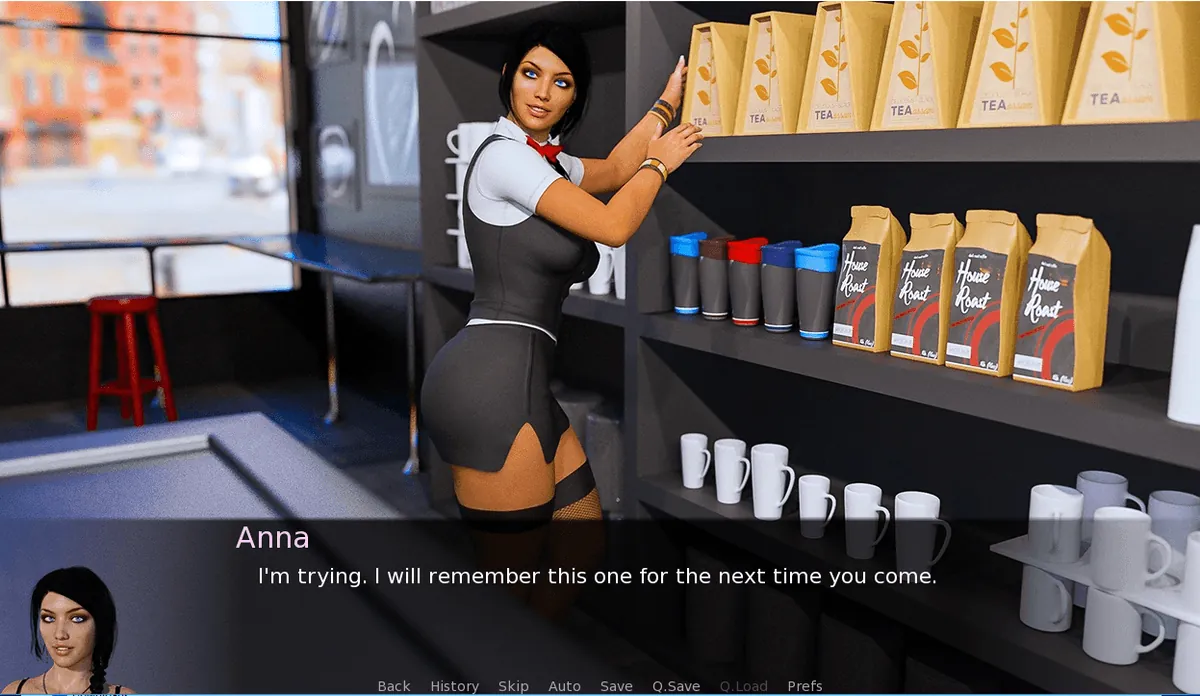
Depravity is a simulation-based game that focuses on relationship building and character interaction mechanics. Players navigate complex social dynamics, manage relationships with various characters, and make meaningful choices that impact their gameplay experience. This guide explores the core mechanics, features, and systems that define Depravity, helping both new and experienced players understand what the game offers. Whether you’re interested in the relationship systems, character development, or overall gameplay structure, this comprehensive overview covers everything you need to know about this unique simulation title.
Core Gameplay Mechanics & Systems
Forget everything you think you know about life sims or dating games. Depravity isn’t about following a linear path to a single, pre-determined ending. It’s about weaving your own unique tapestry of connections in a living, breathing world that reacts to your every move. 🎭 The core of the experience isn’t just a feature—it’s the entire heartbeat of the game. You’re not just playing a story; you’re actively engineering it through intricate systems designed to simulate genuine social dynamics.
The magic of Depravity lies in its refusal to hold your hand. You’re thrown into a vibrant social ecosystem and given the tools to navigate it. Success isn’t guaranteed by picking the “nice” options, but by understanding personalities, reading situations, and managing the delicate balance of your social circle. It’s a deep, sometimes chaotic, and always compelling relationship building simulation that rewards patience, observation, and a bit of cunning.
Let’s pull back the curtain and explore the systems that make this possible.
Understanding the Relationship System
At its heart, Depravity is powered by a relationship engine that is less of a simple meter and more of a complex chemistry set. Early on, I made the classic mistake of treating every character the same. I’d use the same charming, agreeable responses, thinking I was maximizing my “likeability.” Quickly, I learned that this approach is a one-way ticket to mediocrity—and sometimes, outright hostility. 🙅♂️
The game doesn’t track a single “Friendship” score. Instead, each connection is built on multiple, invisible relationship axes. Think of them as dimensions of your bond. One character might value Trust and Intellectual Respect above all else, while another is motivated by Shared Thrills and Loyalty. Your actions and dialogue choices feed into these specific axes. Complimenting someone’s strategic mind might boost Intellectual Respect but do nothing for Emotional Intimacy. Sharing a secret risk builds Trust dramatically.
This is what makes the character interaction system so brilliant. You’re not just choosing “Good,” “Neutral,” or “Bad.” You’re choosing which facet of your relationship to polish—or tarnish. Here’s a quick checklist of the foundational mechanics you need to master:
- Multi-Axis Bonds: Relationships grow across several hidden metrics (Trust, Affection, Respect, etc.), not a single number.
- Personality-Driven Reactions: Every character has a core personality type that determines how they interpret your actions. A sarcastic joke might delight one character and deeply offend another.
- Memory & Grudges: The game remembers. A major betrayal or a moment of profound kindness can create permanent “Memory Flags” that affect dialogue and opportunities forever.
- Inter-Character Dynamics: Your relationships don’t exist in a vacuum. Becoming best friends with Character A might automatically lower your standing with their rival, Character B.
- Contextual Availability: Characters aren’t always in the same mood or location. Some conversations and actions are only possible under the right emotional or environmental conditions.
The key to how to build relationships in Depravity is observation. Pay attention to how characters talk about others, what they prioritize, and how they react to world events. Their dialogue is your primary data source. This system ensures that character development in Depravity feels organic and earned, both for them and for the persona you create.
Character Interaction Mechanics
So, how do you actually use this system? The moment-to-moment choice-based gameplay happens through a few key interfaces: dialogue trees, action menus, and the strategic use of your time and resources. This is where your plans meet reality, and where the most unforgettable stories emerge.
Let me give you a real example from my playthrough. I was deeply invested in two characters: Leo, a cautious artist who valued privacy and deep conversation, and Maya, an ambitious journalist who thrived on social drama and exclusive scoops. My goal was to maintain a strong bond with both.
One day, a major story broke in the game’s world—a public scandal involving a powerful figure. Maya, of course, was buzzing. She asked me, point-blank, if I knew any behind-the-scenes details Leo had confided in me (he had connection to the story). Here was my crossroads:
- Choice A: Protect Leo’s trust. (“I really don’t know anything. It’s all rumors.”)
- Choice B: Give Maya a juicy, but vague, hint to curry favor. (“I’ve heard some things, but it’s all very private…”)
- Choice C: Fully betray Leo’s confidence for a major boost with Maya. (“Let’s meet tonight. I’ll tell you everything Leo said.”)
I chose Option B, thinking I was playing it smart—a little boost for Maya without a full betrayal. The gameplay progression system responded with stunning complexity. Here’s the cascade:
- Immediate Reaction: Maya’s “Shared Thrills” axis jumped. She was delighted. Leo’s “Trust” axis took a small, immediate hit. He heard I was “gossiping.”
- Unlocked Content: Maya, now seeing me as a valuable source, unlocked a new story branch for me involving investigative teamwork. Leo, however, became hesitant, locking me out of a planned personal event where he was going to show me his new studio.
- Long-Term Ripple: A week later, Maya used the info in her article. Leo confronted me. My previous high “Respect” axis with him gave me a unique dialogue option to apologize sincerely and explain my pressure. This mitigated the damage but didn’t erase it. The “Betrayal Flag” was now attached to our relationship, making him slower to share secrets in the future.
- Third-Party Effect: Another character who admired Leo’s integrity heard about the incident, and their opinion of me cooled slightly.
This one “middle-of-the-road” choice created a unique narrative branch that defined that entire save file. That’s the power of Depravity game mechanics. It’s not about good or evil; it’s about understanding that every choice is a stone thrown into a pond, and the ripples will touch every shore.
✨ Pro Tip: There is rarely a “perfect” choice. Instead, decide what kind of person you are in this world and which relationships you’re willing to strain to strengthen others. Consistency in your personality often yields better long-term results than trying to please everyone in every moment.
Progression and Development Features
How does Depravity track all this complexity and ensure you’re always moving forward? The gameplay progression is elegantly tied to two pillars: your Character Stats and your Social Capital.
Your avatar isn’t a blank slate. You invest in skills that open new interaction possibilities. These aren’t combat skills, but social and personal attributes. Raising your Charm skill might unlock more persuasive or flirty dialogue options. Leveling Insight could allow you to detect when a character is lying or hiding their true feelings during conversations. Cunning might give you options to manipulate a situation cleverly. You improve these stats by using them—successfully navigating a tense conversation grants Insight XP, for instance.
But stats are just tools. The real currency of advancement is Social Capital and Unlockable Scenes. Your deepening relationships are the keys that open new areas, story events, and mini-games. Your bond with a musician character might unlock backstage access at events. A strong connection with a culinary-focused character could open special cooking sessions that provide buffs for future social interactions.
To help visualize the core resources you’ll manage, here’s a breakdown:
| Resource Type | What It Does | How to Gain It |
|---|---|---|
| Social Energy | Your daily capacity for meaningful interactions. Each deep conversation or event costs Energy. | Recovers over time, or by spending time in relaxing solo activities. |
| In-Game Currency | Used for gifts, travel to new locations, and purchasing items that can influence moods or stats. | Complete tasks, mini-games, or succeed in certain story paths. |
| Relationship “Keys” | Not a literal item, but reaching certain milestones with a character (e.g., “Trust Level 5”). | Consistently make choices that align with that character’s valued axes. |
| Memory Flags | Permanent markers on your save file that dictate long-term story possibilities. | Created by major story decisions or extreme relationship actions. |
The pacing is masterful. You won’t unlock a character’s deepest secrets in a week. The simulation forces you to live in the world, have casual check-ins, and build history. Some of the most rewarding events only trigger after you’ve known someone for multiple in-game months and have shared a variety of experiences, both good and bad.
Finally, how do you manage this web of connections without going insane? 🧠
- Prioritize Ruthlessly: You can’t max everyone in one playthrough. Pick 2-3 core relationships to focus on deeply per “season” of the game.
- Use the Calendar: The in-game calendar shows upcoming birthdays and public events. Remembering a birthday with a small gift is a massive, low-effort boost.
- Group Activities are Efficient: If possible, organize events where multiple characters you care about will attend. You can maintain several bonds at once, though beware of conflicting personalities!
- Embrace the Flaws: Not every relationship needs to be perfect. A little tension or rivalry can be more narratively interesting than a circle of yes-men.
In the end, the Depravity game mechanics create a unique alchemy. The relationship building simulation feels tangible because the character interaction system gives you genuine agency, and your gameplay progression is a direct reflection of the social world you’ve built. It’s a game that respects your intelligence, challenges your empathy, and guarantees that no two players will ever have the same story. Your journey through its complex, rewarding systems is what truly defines the experience.
Depravity offers a unique approach to simulation gaming by emphasizing relationship dynamics and player choice. The game’s core strength lies in its complex character interaction systems and how player decisions meaningfully impact the narrative experience. Understanding the mechanics, relationship systems, and progression pathways allows players to maximize their engagement with the game’s content. Whether you’re drawn to the simulation aspects, character development, or the branching narrative possibilities, Depravity provides a distinctive gameplay experience that rewards thoughtful decision-making and relationship management. As you explore the game, remember that your choices shape the story and determine which character paths and outcomes become available.