Broken Sky
Play Broken Sky
Broken Sky Screenshots
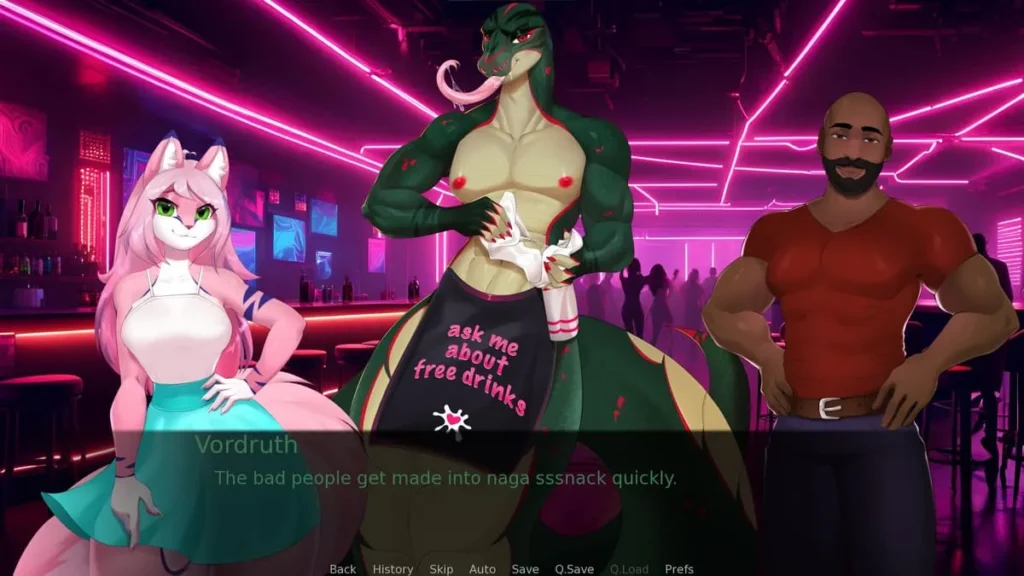
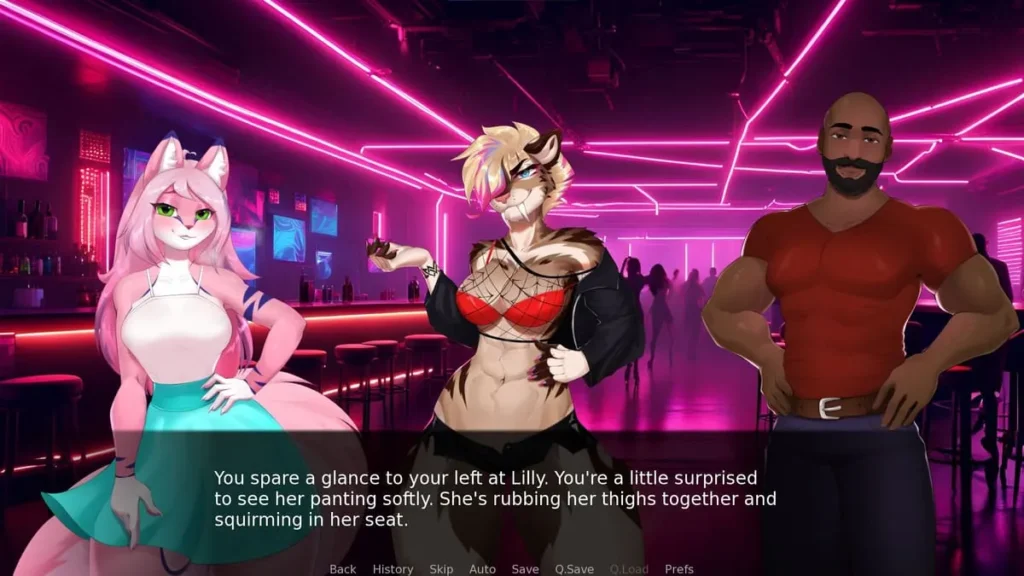

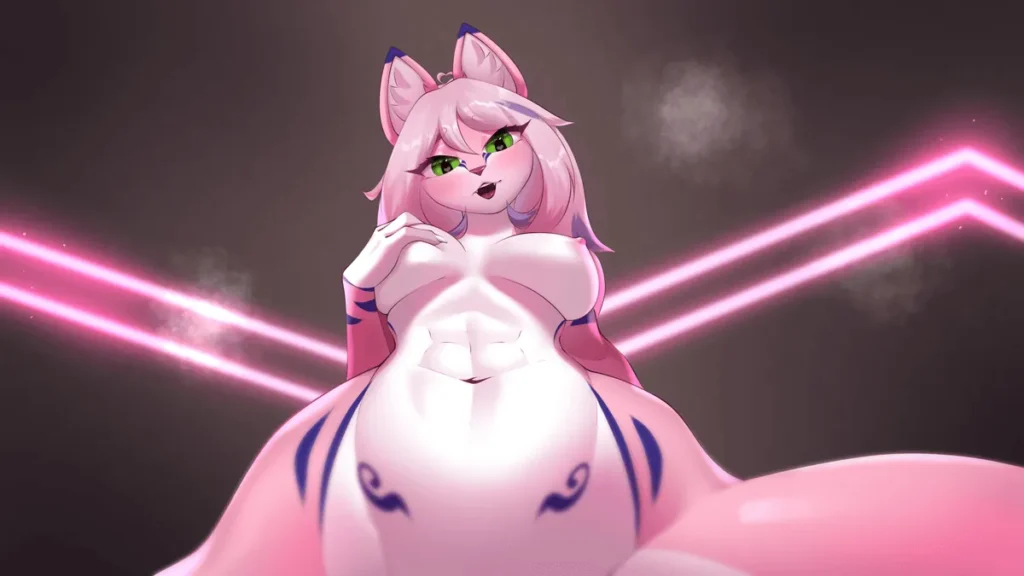

Broken Sky review
Explore the narrative depth, gameplay features, and what makes this indie title stand out
Broken Sky is an indie visual novel that combines mature storytelling with engaging mechanics to create a unique gaming experience. Developed with careful attention to narrative quality and player choice, this title has garnered attention for its well-crafted story and atmospheric world-building. Whether you’re curious about the gameplay systems, character interactions, or the creative vision behind the project, understanding what Broken Sky offers can help you decide if it’s the right game for your collection. This guide explores the core elements that define the Broken Sky experience and what players can expect when diving into this indie creation.
Understanding Broken Sky’s Core Gameplay and Story Elements
Have you ever finished an indie game and felt… nothing? You enjoyed the art, maybe the music was nice, but the story evaporated from your mind the moment the credits rolled? I’ve been there too many times. It’s why I approached Broken Sky with a healthy dose of skepticism. Another pretty visual novel with branching paths? I’d seen it before. But let me tell you, within the first hour, that skepticism shattered. This isn’t just a game you play; it’s a world you inhabit, a story you sculpt, and its narrative depth in indie games is a new benchmark.
Broken Sky masterfully blends a haunting, atmospheric world with a visual novel story structure that feels both classic and revolutionary. It proves that you don’t need a AAA budget to deliver a punch to the gut and a feast for the mind. The developers didn’t just create a game; they engineered an experience where every whispered secret and every hardened glance matters. Let’s pull back the curtain on what makes this journey so profoundly different.
What Makes Broken Sky’s Narrative Stand Out
At its heart, Broken Sky asks a deceptively simple question: What would you sacrifice to mend a world that doesn’t want to be fixed? You play as a lone wayfinder in the floating archipelago of Aethel, a realm fractured by a cataclysm that split the sky and unleashed chaotic “sky-taint.” The premise is rich, but it’s the execution that elevates it. The indie game storytelling here is patient, mature, and deeply environmental.
The story isn’t just told through dialogue; it’s etched into the crumbling architecture of ancient sky-ports, whispered in the unnatural stillness of a tainted forest, and reflected in the weary eyes of its inhabitants. The pacing is deliberate, allowing you to soak in the melancholy beauty and the pervasive sense of loss. This isn’t a story about a hero saving the world before dinner. It’s a slow burn, an exploration of trauma, resilience, and the ambiguous morality of survival.
What truly defines the Broken Sky narrative is its commitment to consequence. Your role isn’t to observe a fixed tale, but to actively participate in a living, reactive chronicle. The game’s visual novel story structure is the vehicle, but the fuel is your agency. This creates a powerful sense of narrative depth in indie games that is often reserved for much larger productions.
Here are the key narrative and mechanical pillars that build this world:
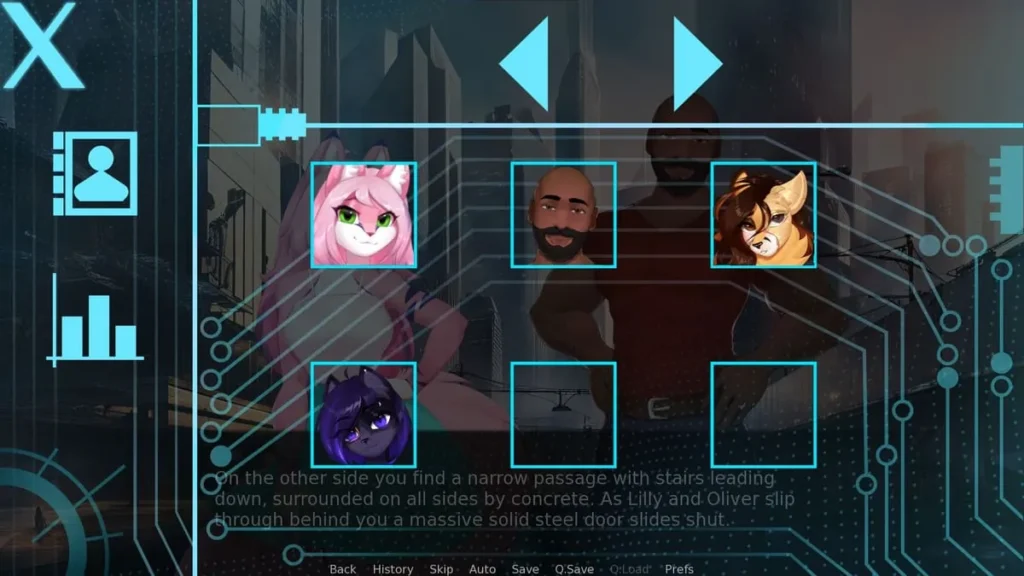
- The Wayfinder’s Log: More than a menu, this is your character’s journal. It dynamically updates with your thoughts, observations on characters, and theories about the world based on your discoveries. Rereading entries after major events often reveals subtle shifts in your own perspective.
- Atmospheric Cues: The background art, music, and even slight changes in character sprite postures feed you narrative information. A character folding their arms might indicate distrust, while a once-bustling market drawn empty tells a story of its own.
- Lore as Reward: Scattered documents and ancient etchings aren’t just collectibles. They are vital, optional pieces of the puzzle that enrich the context of your choices. Finding a historian’s notes on pre-fall treaties can completely change how you approach a diplomatic dilemma later.
- Silence as a Choice: Often, the most powerful Broken Sky dialogue options are to say nothing at all. Holding your tongue can signal wisdom, disapproval, or offer a moment for another character to reveal something crucial.
🎭 Pro Tip: Don’t rush through environments. The most poignant story beats in Broken Sky are often found in the quiet moments between conversations. Let the atmosphere sink in.
Gameplay Mechanics and Player Choices
If the narrative is the soul of Broken Sky, then its gameplay mechanics are the central nervous system. This is where the promise of a reactive world becomes a tangible reality. The core loop is elegantly simple: explore, converse, and decide. But beneath that surface lies a web of interconnected systems that make every action feel weighted.
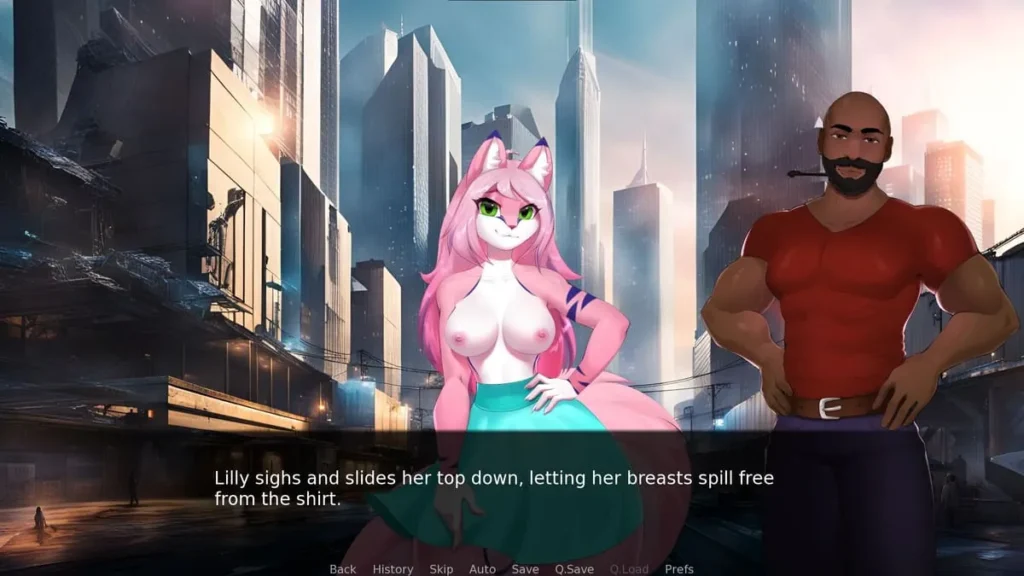
The most immediate and impactful mechanic is, of course, the Broken Sky dialogue options. Forget simple “Good / Neutral / Evil” prompts. Conversations are intricate dances. Choices range from blunt and pragmatic to empathetic and philosophical, and they are rarely about picking a “right” answer. Instead, they’re about defining who you are in this broken world. Do you appeal to a deserter’s sense of duty, their fear for their family, or their anger at their commanders? Each approach resonates differently and alters their path—and yours.
This is the essence of player choice and branching narrative. A decision in Chapter 2 to share your limited rations with a struggling settlement might mean, in Chapter 5, that a guard from that settlement recognizes you and lets you pass without a bribe. Conversely, a choice to hoard resources for your own journey could lead to that same guard being hostile, forcing a difficult combat scenario or an expensive negotiation. The branches aren’t always gigantic, sweeping turns; often, they are subtle bends in the river, slowly directing the flow of your entire journey.
Let me give you a concrete example from my own playthrough. Early on, I encountered Kaelen, a stern captain of the Skywatch faction. He demanded I hand over a relic I’d found, citing security protocols.
- Choice A (Deferential): “The Skywatch knows best. Here it is.” This built immediate trust with the authoritarian Skywatch, unlocking smoother interactions with them later. However, it made me look weak in the eyes of the independent scavengers nearby.
- Choice B (Defiant): “I found it. My risk, my reward.” This earned respect (and a future trading opportunity) from the scavengers, but marked me as insubordinate to Kaelen. Later, when I needed Skywatch clearance to enter a restricted zone, I was subjected to a lengthy and expensive bureaucratic process.
- Choice C (Diplomatic): “I understand your concern. Could we perhaps study it together at the archives?” This required a “Lore” skill check I had invested in. Passing it created a unique third path, where Kaelen saw me as a fellow scholar. It didn’t give me the scavenger’s full trust or the Skywatch’s automatic approval, but it opened up unique dialogue and quest options with a historian faction I didn’t even know existed!
This example shows how Broken Sky gameplay mechanics turn dialogue into a strategic tool. Your choices build and erode relationships with entire factions, not just individuals, creating a dynamic political landscape you must navigate.
| Mechanic | Primary Function | Impact on Narrative |
|---|---|---|
| Dialogue Wheel | Presents nuanced conversation choices based on tone and intent. | Directly shapes character relationships, faction standing, and unlocks/limits future story paths. |
| Skill Checks (Lore, Insight, Resolve) | Unlocks special options in dialogue and exploration. | Allows for specialized problem-solving, making character build a part of the narrative. A scholar and a soldier will experience different stories. |
| Resource & Faction Tracking | Hidden meters track your supplies and reputation with key groups. | Determines availability of aid, access to areas, and the severity of challenges. A hated figure will face more obstacles. |
| The “Echo” System | Allows brief glimpses of past events in key locations. | Provides critical, emotional context for current dilemmas, making choices feel historically significant. |
🔄 The brilliance is in the cascade. A single dialogue choice can tweak a faction score, which gates a skill check in a future scene, which then determines which branch of a major story event you even witness. It’s a masterclass in player choice and branching narrative design.
Character Development and Relationship Systems
The fractured world of Aethel is held together—and torn apart—by its people. The character relationships and development in Broken Sky are its emotional core. These aren’t NPCs who exist to give you quests; they are individuals with their own traumas, agendas, and evolving opinions of you.
Every major character has a multi-faceted relationship meter, but you’ll never see a simple “+5 Friend” pop up on your screen. Instead, you infer your standing through their dialogue, body language, and the options they make available to you. Elara, a cynical herbalist, might start off offering you only basic healing. As you help her gather rare, dangerous ingredients and listen to her stories of loss, she may begin to share potent, unique poultices and, eventually, secrets about the origin of the sky-taint that she tells no one else. This organic growth is central to the game’s character relationships and development.
These bonds are not independent. Your relationship with one character profoundly affects your interactions with others. Becoming a confidant of the idealistic scholar, Finnian, will draw suspicion from the pragmatic military leader, Rourke, who sees Finnian as naive. You are constantly navigating a social web, and investing in one strand vibrates all the others. Do you try to balance everyone, or do you pick a side and embrace the consequences?
The development is also reflected in your own protagonist. While you define their personality through choices, the game also tracks your “Inclinations”—subtle leans toward being Empathetic, Pragmatic, Cynical, or Idealistic. These are not chosen from a menu but are revealed by your consistent actions. The game’s narration and even how other characters describe you will shift to match these inclinations. An Empathetic wayfinder might be described as having “a weary kindness in their eyes,” while a Pragmatic one has “a gaze that measures cost and benefit.” This layer of character relationships and development means you are also role-playing your character’s internal journey.
The Broken Sky dialogue options are the primary tool for this deep social engineering. A conversation with a grieving character could have options rooted in your own developed traits:
* (If Empathetic) “I can’t imagine your pain, but I’m here to listen.”
* (If Pragmatic) “Grief won’t bring them back. What do you need to survive today?”
* (If you discovered specific Lore) “The ancient texts speak of a ritual for the lost. It might bring you closure.”
Each option feels true to a different version of your character and prompts a wildly different response, deepening or complicating the bond. This system ensures that two players will not only have different plot outcomes but will have formed fundamentally different emotional connections with the cast, making the finale resonate on a deeply personal level.
In the end, Broken Sky stands as a towering achievement in indie game storytelling because it understands that true depth comes from interconnection. Its gameplay mechanics are not separate from its story; they are the language through which the story is told. Its visual novel story structure is not a limitation, but a focused lens on character relationships and development. And through its sophisticated handling of player choice and branching narrative, it delivers that rare, precious thing: a story that feels authentically, uniquely yours. It’s a reminder that the most powerful worlds are often built not by the largest teams, but by the most passionate visions.
Broken Sky represents a thoughtful approach to indie game development, combining well-written narrative with engaging mechanics that give players meaningful agency in shaping their experience. The game’s commitment to story quality, character development, and atmospheric world-building demonstrates the creative effort invested by its developers. Whether you’re drawn to visual novels, character-driven narratives, or indie titles that prioritize storytelling depth, Broken Sky offers a compelling experience worth exploring. For players seeking games that balance mature themes with genuine narrative substance and player choice, this indie creation delivers on its promise of a richly crafted gaming experience.